India's New Bill Empowers Digital Bank Records as Court Evidence
Context mode is active. Hover over any highlighted term to see its definition. Click a nested term to go deeper.
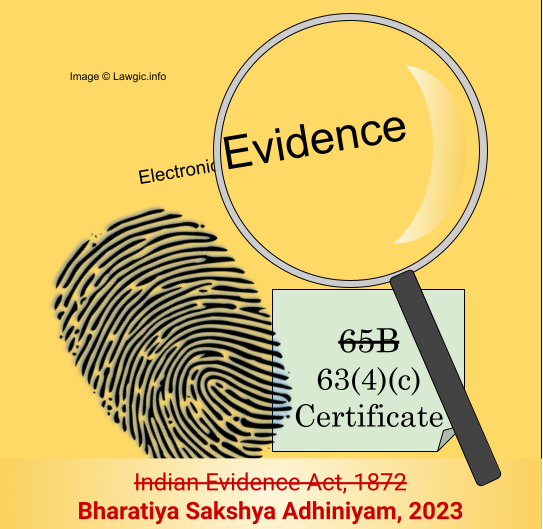
India just took a significant leap forward in modernizing its legal system. The Lok Sabha, our country's main law-making body, passed the Bankers' Books Evidence Bill, 2026, on August 5, 2026. This new legislation makes it much easier for courts to accept bank records stored digitally, like on computers or in the cloud, as valid proof in legal cases, replacing an outdated law from 1891. This isn't just a minor update; it's replacing a law from a time when paper ledgers were the norm, making it slow and difficult to use modern digital bank statements as evidence. The Bill ensures that electronic bank records, such as your online transaction history, cannot be simply rejected because they are digital. However, it also introduces strong safeguards, requiring banks to properly 'certify' the accuracy, authenticity, and integrity of these digital records to prevent any tampering or unauthorized access. This new law is set to speed up how quickly courts and investigations can use bank information, aiming to help with everything from solving crimes to settling money disputes. While passed swiftly by the Lok Sabha, the government may soon extend these rules to other parts of the financial world. Watch for how this major change starts reshaping legal battles involving money, and how the detailed rules for certification and digital security are put into practice.