India's New 'Eye in the Sky' Achieves Orbit, Revolutionizing Real-Time Surveillance
Context mode is active. Hover over any highlighted term to see its definition. Click a nested term to go deeper.
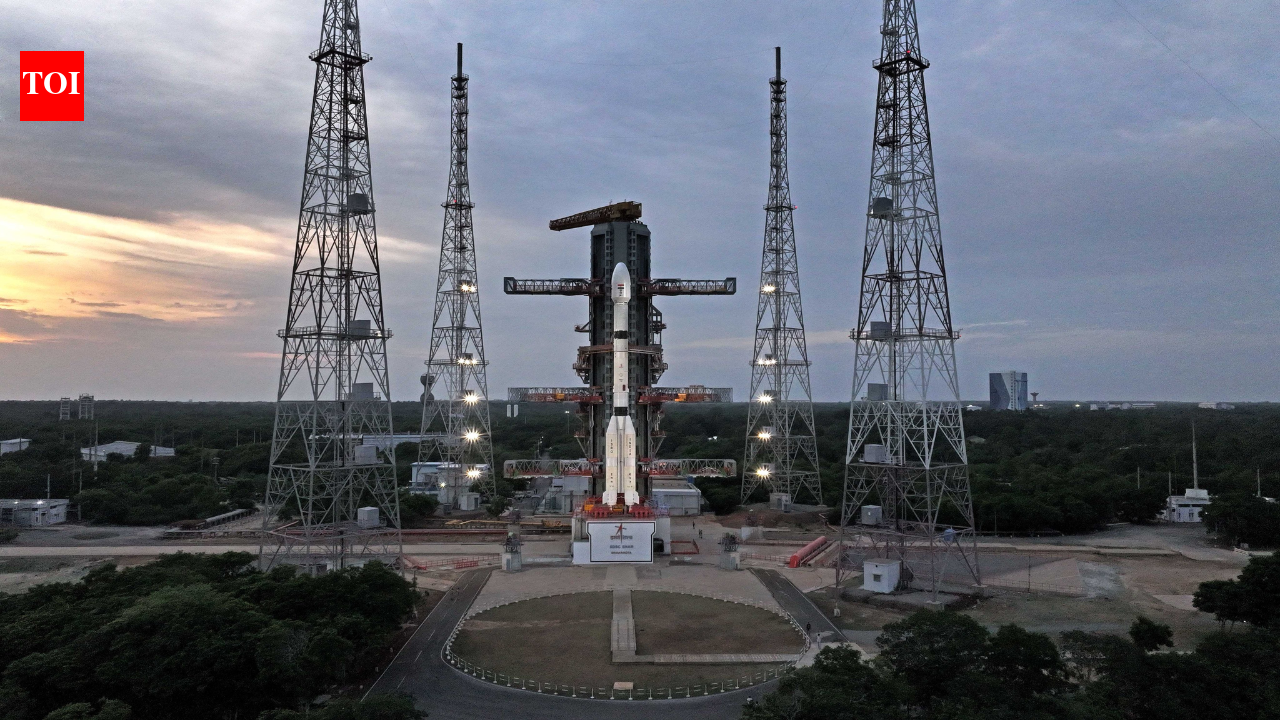
India has successfully launched GISAT-1A, now officially called EOS-05, into a geosynchronous orbit on September 4, 2026, marking a significant leap in the nation's Earth observation capabilities. This advanced Geo-Imaging Satellite, India's first of its kind in this high orbit, promises continuous, real-time coverage of the entire Indian subcontinent, acting as a watchful 'eye in the sky' for both civilian and strategic uses. This success is a major comeback for the Indian Space Research Organisation (ISRO) after the previous GISAT-1/EOS-03 mission failed in 2021 due to a snag in the launch vehicle's cryogenic upper stage. The new 2,367 kg satellite, carried by the GSLV-F17 rocket, provides persistent observation vital for rapidly evolving events like cyclones, floods, and forest fires, as well as for continuous agricultural assessment and enhanced national security surveillance across India's vast borders. With orbit-raising maneuvers expected to finalize its position by September 9, and full operational status within two months, EOS-05 is set to redefine India's space-based monitoring. This achievement also fuels India's broader ambition to scale its space economy and enables ISRO to increasingly focus on advanced research and deep-space missions, while private industry takes on a larger role in manufacturing and operational services.