India's Northern Bullet Train Corridor Approved, Promises Swift Travel and Economic Boost
Context mode is active. Hover over any highlighted term to see its definition. Click a nested term to go deeper.
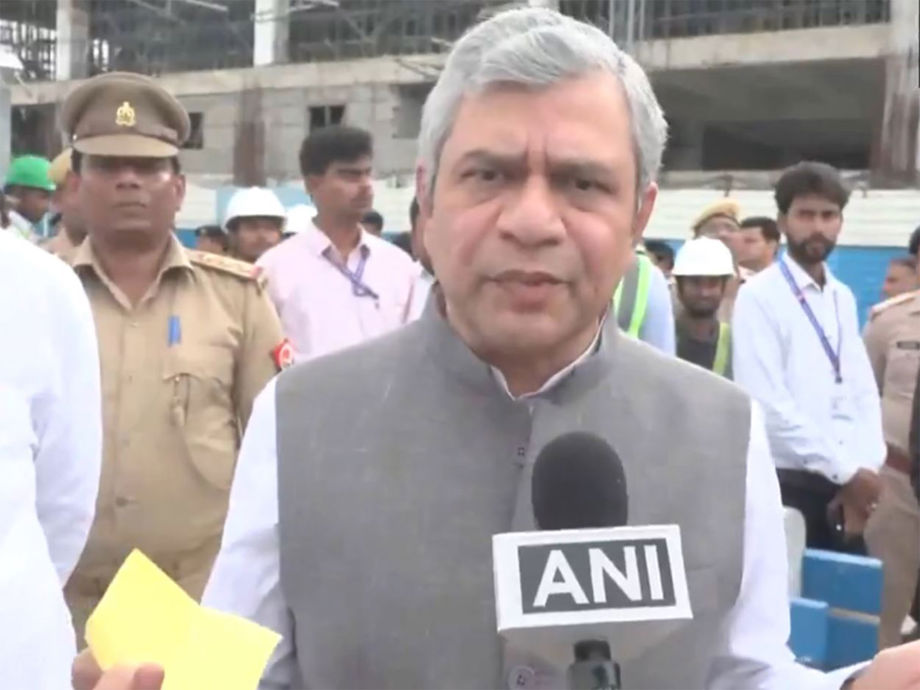
In a game-changing move for India's infrastructure, Prime Minister Narendra Modi has officially greenlit the ambitious Northern Corridor for bullet train, a project Union Railway Minister Ashwini Vaishnaw confirmed will drastically cut travel times between key northern and eastern cities. Announced this past Saturday, this high-speed rail link promises to connect Delhi with Varanasi in just around three and a half hours, aiming to be a boon for middle-class families, youth, and small-scale entrepreneurs across a vast region. The newly approved corridor is a cornerstone of the seven high-speed rail projects outlined in the Union Budget 2026-27, signaling a major expansion of India's bullet train network beyond the pioneering Mumbai-Ahmedabad line. With a strong emphasis on the 'Make in India' initiative, the project ensures that construction, from pillars to girders, will leverage domestic expertise and resources. Railway Minister Vaishnaw also assured that fares would be notably economical, positioning the bullet train as a more affordable alternative to air travel for many. Looking ahead, this expansive project is set to connect major hubs like Agra, Kanpur, Lucknow, Ayodhya, Prayagraj, Patna, Siliguri, and eventually Guwahati, transforming regional connectivity and fostering economic growth. While specific completion timelines for the entire corridor are anticipated in phases, associated infrastructure like the 'Namo Bridge' in Varanasi is already targeted for completion by 2029, hinting at a rapid rollout. The development coincides with the flagging off of new Vande Bharat Sleeper Express services, further solidifying Indian Railways' push for modern, efficient, and accessible travel.