India's Power Plants Brace for 20% Coal Stock Dip Amid Surging Demand, Weak Monsoon
Context mode is active. Hover over any highlighted term to see its definition. Click a nested term to go deeper.
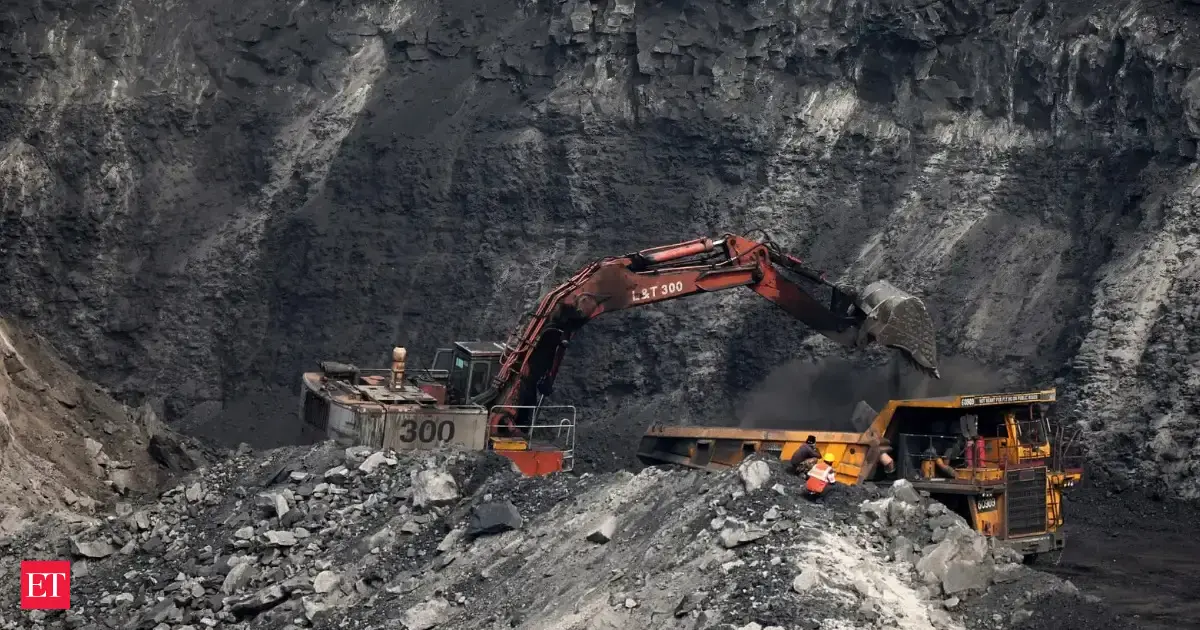
India's critical thermal power plants are facing a projected 20% drop in coal reserves by September's end, with current stocks of around 37 million tonnes expected to shrink to 24-30 million tonnes. This anticipated dip, while partly seasonal, is amplified by a weaker-than-expected monsoon and unusually high temperatures, which are driving up electricity demand across the nation. Already, 31 coal-fired plants are operating with 'critical' levels of coal, signaling potential stress on the grid if the situation worsens. The country's power grid has been under immense pressure, with electricity demand hitting an all-time high of 270.8 GW in May 2026, largely due to prolonged heatwaves and increased cooling needs. This surge, coupled with a forecast of a deficient monsoon influenced by El Niño conditions, means less hydropower generation, placing a heavier burden on coal-fired power. Despite these challenges, India's coal supply chain, including Coal India and Singareni Collieries, has stepped up, with coal production and dispatches growing. Indian Railways has significantly boosted coal rake movements, increasing domestic coal supplies to power plants by 20% in July alone. As India heads towards the festive season, the immediate focus will be on managing these declining stocks and ensuring continuous power supply. Officials expect coal stocks to start rebuilding rapidly only after mid-November, once the monsoon effects subside. The long-term energy strategy continues to balance growing electricity demand, the expansion of renewable energy, and the crucial, ongoing role of thermal power, with plans to add 307 GW of thermal capacity by 2035 to secure the nation's energy future amidst climate uncertainties. This period will test India's ability to maintain energy stability while navigating environmental shifts and escalating consumption.