India's Skies Set for Massive Expansion: UDAN Scheme Enters Ambitious New Phase
Context mode is active. Hover over any highlighted term to see its definition. Click a nested term to go deeper.
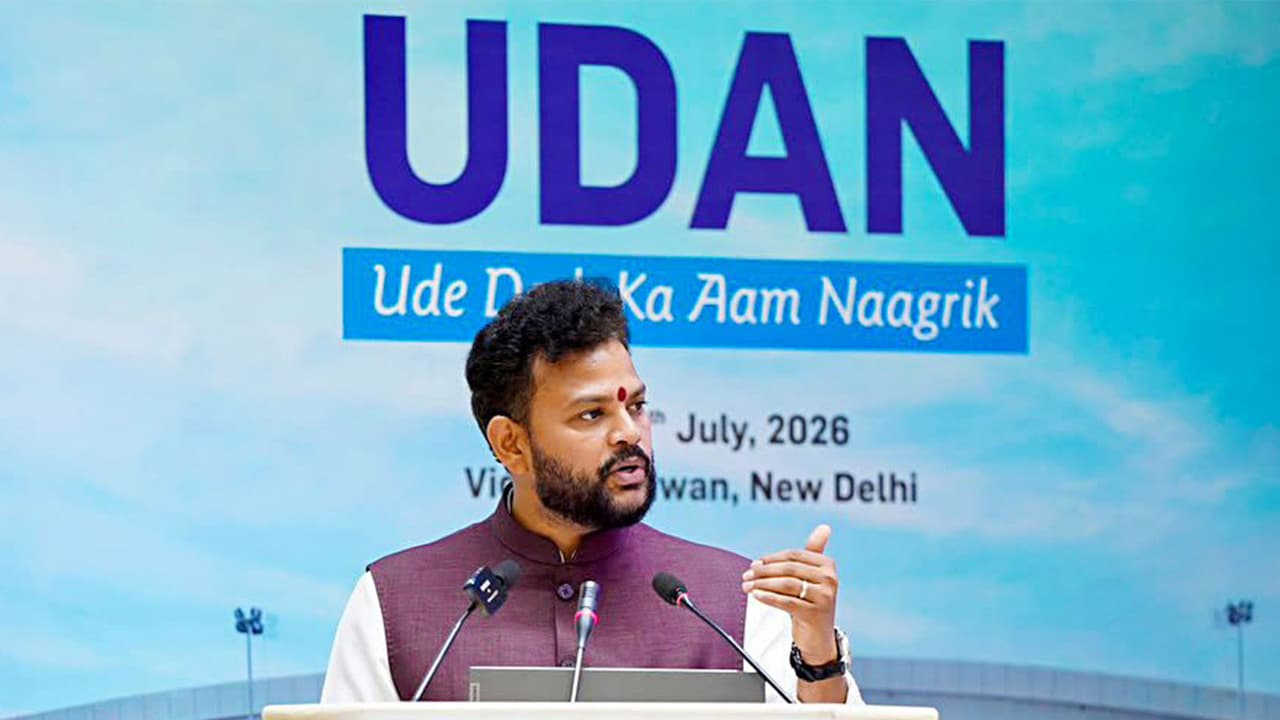
In a major push to make air travel accessible to more people across India, the Ministry of Civil Aviation (MoCA) has inked agreements, called Memorandums of Understanding (MoU), with 22 states today for the next big phase of the UDAN Scheme. This new phase introduces a 'Challenge Mode' and fresh 'Routes Bidding Round', aiming to greatly boost regional air connectivity and strengthen the country's aviation system over the next decade. This latest version of UDAN, approved by the Union Cabinet in March 2026, is a long-term plan running for ten years, from fiscal year 2026-27 to 2035-36, with a massive budget of nearly ₹28,840 crore. The goal is ambitious: developing 100 airports from existing unused airstrips and building 200 modern helipads, especially in hilly, remote, island, and developing areas. The scheme targets to enable four crore (40 million) passengers to travel through these new regional routes, building on the success of the original UDAN, which has already connected 679 routes across 95 locations and served over 1.68 crore (16.8 million) passengers. The 'Challenge Mode' is designed to fast-track airport projects, aiming to cut construction time down to just 18 months, compared to the previous two to three years. States and local bodies can now propose routes based on actual demand, which will lead to competitive bidding for new air services. The financial support for airlines, known as Viability Gap Funding, will now be given for up to five years, though it will gradually reduce over time to ensure routes become self-sustaining. This strategic expansion is not just about flying; it's also set to create millions of jobs in the aviation sector, aiming for 25 million by 2040, aligning with India's vision of 'Viksit Bharat'.