India's Skyroot Launches Private Orbital Rocket, Igniting New Space Era
Context mode is active. Hover over any highlighted term to see its definition. Click a nested term to go deeper.
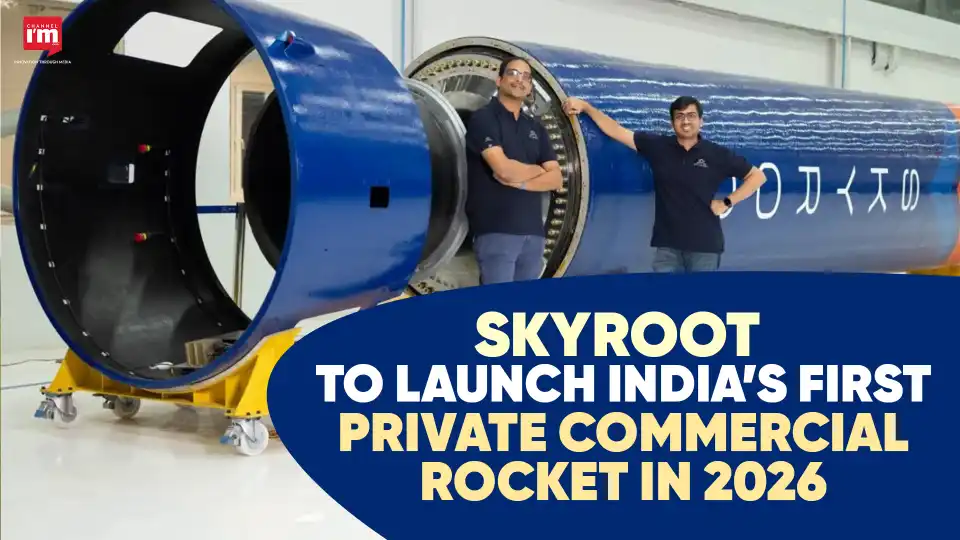
India officially entered an elite global club of nations on July 18, 2026, as Skyroot Aerospace successfully launched Vikram-1, the nation's first privately developed orbital-class rocket, into Low Earth Orbit. The Hyderabad-based startup's Mission Aagaman deployment not only delivered multiple technology demonstration payloads but also carried a handwritten postcard from Prime Minister Narendra Modi, symbolizing a new chapter in India space journey. This historic feat underscores the rapid transformation of India private space sector, ignited by policy reforms in 2020 that opened the industry to private participation, moving beyond the traditional monopoly of the Indian Space Research Organisation (ISRO). Skyroot, founded by former ISRO scientists, had previously made history with its suborbital Vikram-S rocket in 2022, and Vikram-1 success positions India as the third country, after the U.S. and China, to achieve private orbital launch capability. The successful launch of this small-lift launch vehicle, constructed with advanced carbon composites and proprietary solid and liquid propulsion systems, also highlights the country's ambition to significantly grow its space economy, currently valued at $8.4 billion. Looking ahead, this milestone is set to accelerate India competitive presence in the global satellite launch market, particularly for small satellites. Skyroot Aerospace plans further test flights before commencing routine commercial missions, aiming to provide cost-effective and on-demand launch services. The continued support from government bodies like IN-SPACe and ISRO facilities will be crucial as India seeks to expand its footprint in space exploration and commercial applications, encouraging more startups to innovate fearlessly.