India's Supreme Court Sets Hard 120-Day Limit for Counter-Claim Replies in Commercial Suits
Context mode is active. Hover over any highlighted term to see its definition. Click a nested term to go deeper.
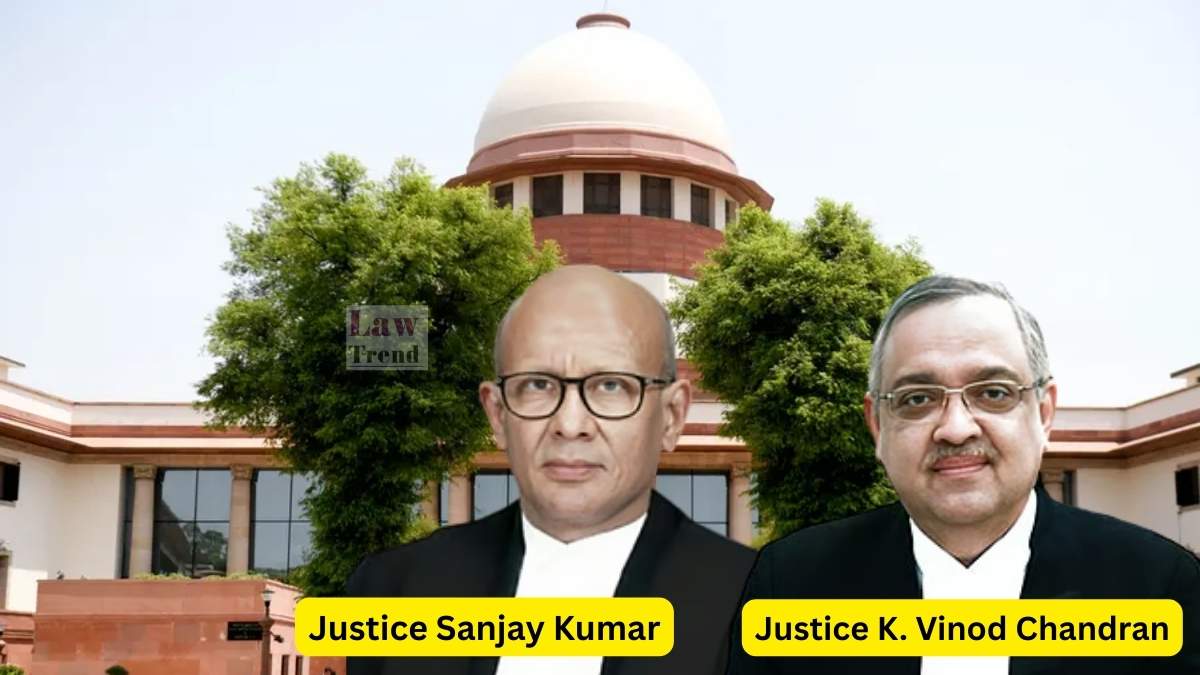
In a pivotal ruling, India's Supreme Court has declared that plaintiff responding to a counter-claim in commercial disputes must adhere to the same strict 120-day deadline imposed on defendant for filing their initial written statement. This decisive judgment, delivered by a bench of Justices Sanjay Kumar and K. Vinod Chandran on July 13, 2026, settles a long-standing legal ambiguity and dismisses an appeal by A.K. Ghosh & Company, reinforcing the nation's commitment to speedy commercial justice. The ruling effectively ends a split among various High Courts regarding the interpretation of timelines under the Commercial Courts Act, 2015. Previously, some courts had allowed plaintiff more leeway, arguing that no specific timeline was set for replies to counter-claim under Order VIII Rule 6A(3) of the Code of Civil Procedure (CPC). However, the Supreme Court emphasized that Order VIII Rule 6G makes all rules for a defendant written statement applicable to a plaintiff reply to a counter-claim, aiming to prevent indefinite delays and uphold the Act's objective of efficient dispute resolution. The specific case involved A.K. Ghosh & Company failure to file a reply for 238 days, well past the mandated period. This decision marks a significant step towards streamlining commercial litigation in India, pushing legal practitioners and businesses to adopt more disciplined approaches to court filings. It underscores the judiciary's intent to create a more investor-friendly environment by ensuring that commercial disputes are resolved within stringent timeframes. Companies engaging in commercial suits must now be acutely aware of these firm deadlines, as any delay beyond 120 days for a reply to a counter-claim will result in the forfeiture of their right to file, making timely action absolutely critical.