India's Sweet Spot: Mills Begin Crushing, But Output Concerns Loom Large
Context mode is active. Hover over any highlighted term to see its definition. Click a nested term to go deeper.
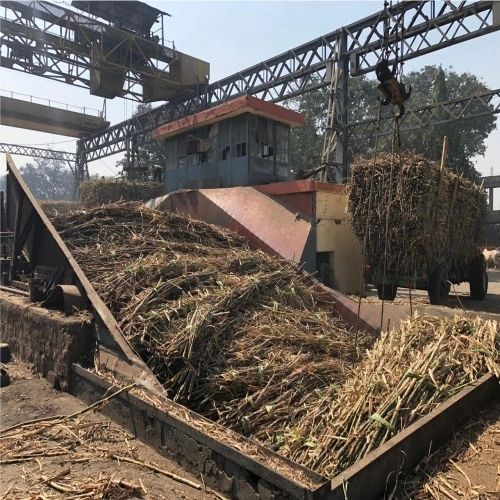
India's sugar mills are bustling, with 107 facilities kicking off crushing operations for the 2026-27 sugar marketing year, just in time for the festive season. The Indian Sugar & Bio-Energy Manufacturers Association (ISMA) assures the nation that there's enough sugar on hand to meet the estimated annual domestic demand of 280-285 lakh tonnes, even with the critical Diwali period approaching. This swift start aims to stabilise the market, which has seen retail sugar prices climb significantly in recent months, reaching as high as Rs 58.62 per kilogram recently. However, beneath this veneer of readiness, a more complex picture emerges. Despite the early start, India enters this season with carryover stocks at a decade-low of approximately 36 lakh tonnes, creating a tighter-than-usual supply situation. Adding to the crunch, the US Department of Agriculture (USDA) forecasts a sharp 14% drop in India's sugar production for 2026-27, projecting 29.5 million metric tonnes due to erratic rainfall, dry spells, and pest issues in major sugarcane-producing states. To counter potential shortages and price hikes, the government has extended its duty-free import window for 1 million tonnes of raw sugar until December 31, alongside implementing strict stockholding limits for dealers to prevent hoarding. Looking ahead, a significant policy shift will redirect the sugar industry's focus: the government has zeroed out sugar diversion for ethanol production for the 2026-27 Ethanol Supply Year, aiming to bolster domestic sugar availability. This means oil marketing companies will now rely more heavily on grain-based ethanol, potentially easing the 'food versus fuel' debate for sugar. As more mills ramp up operations and the imported raw sugar trickles in, market watchers will be keenly observing whether these measures are enough to keep prices stable and ensure a sweet festive season for Indian consumers amidst projected lower output and a tight global market.