India's UPI: Billions in Transactions Reshape How a Nation Pays
Context mode is active. Hover over any highlighted term to see its definition. Click a nested term to go deeper.
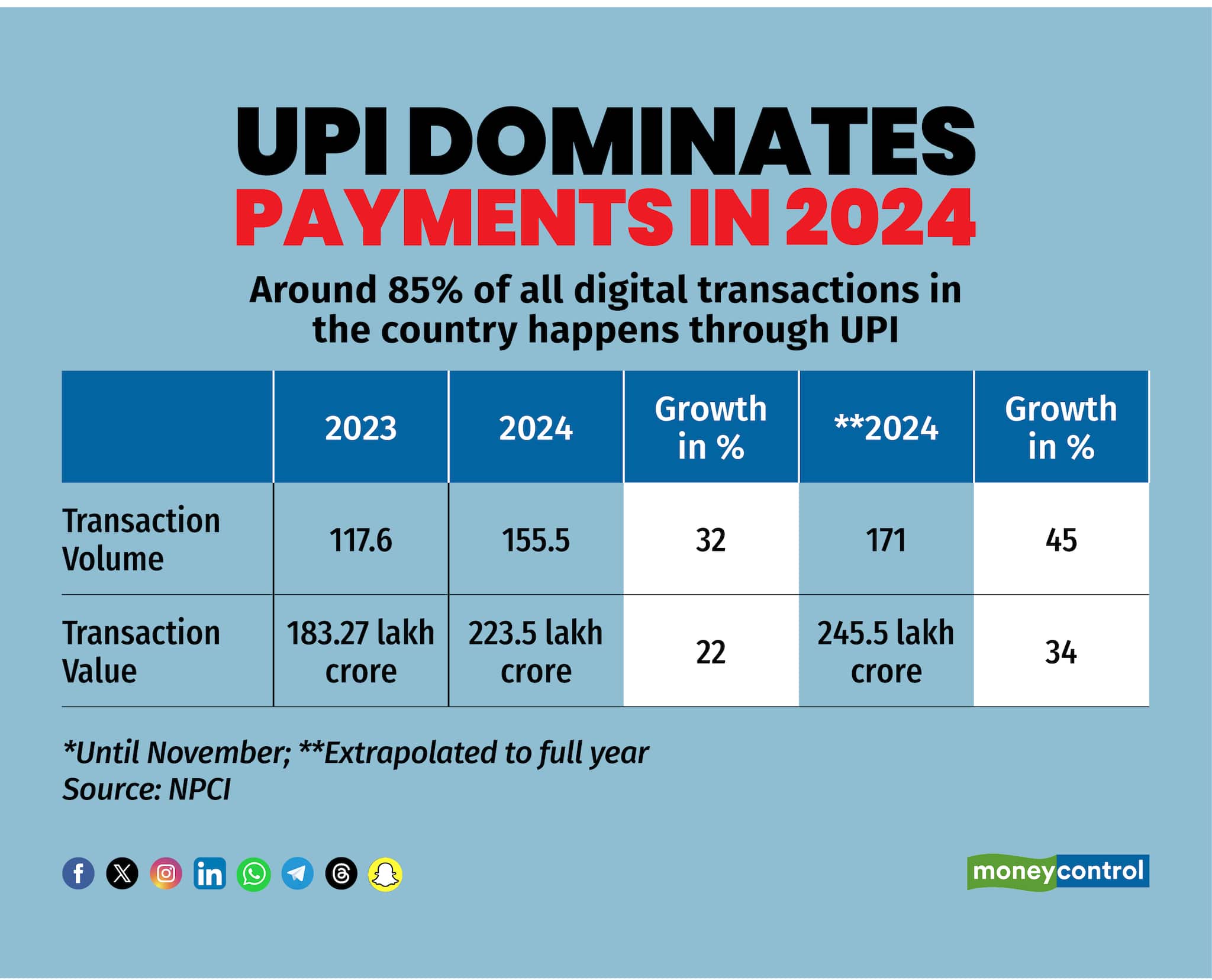
India's Unified Payments Interface (UPI) continues its record-breaking surge, processing an astounding 22.72 billion transactions worth ₹28.9 lakh crore in June 2026 alone. This massive volume highlights how deeply digital payments have woven into the daily lives of over 55.49 crore (554.9 million) users, revolutionizing everything from buying groceries to paying utility bills. The latest figures, released by the National Payments Corporation of India (NPCI), underscore UPI unmatched scale as the world's largest real-time payment system. This explosive growth isn't just about convenience; it's a testament to UPI pivotal role in India's financial inclusion journey. While giants like PhonePe and Google Pay dominate the app landscape, handling over 80% of the transaction volume, UPI infrastructure facilitates both peer-to-peer (P2P) money transfers and person-to-merchant (P2M) payments across over 675 banks. Recent legislative moves, like the Lok Sabha passing the Taxation and Other Laws (Amendment) Bill, 2026, which enables potential charges on UPI, signal a new chapter for sustaining this vital digital public infrastructure. Looking ahead, the focus is firmly on balancing accessibility with sustainability for UPI. As the platform continues its international expansion, now active in 12 countries for cross-border transactions, watch for how the government and NPCI navigate the delicate balance of maintaining free access for small transactions while potentially introducing fees for larger commercial uses, ensuring the system's robust future. Enhanced security measures and innovations like UPI Lite for small-value transactions are also key areas of development, promising further integration and resilience in India's digital payment ecosystem.