India's UPI Fee Sparks Fierce Political Battle, Merchants Brace for New Norm
Context mode is active. Hover over any highlighted term to see its definition. Click a nested term to go deeper.
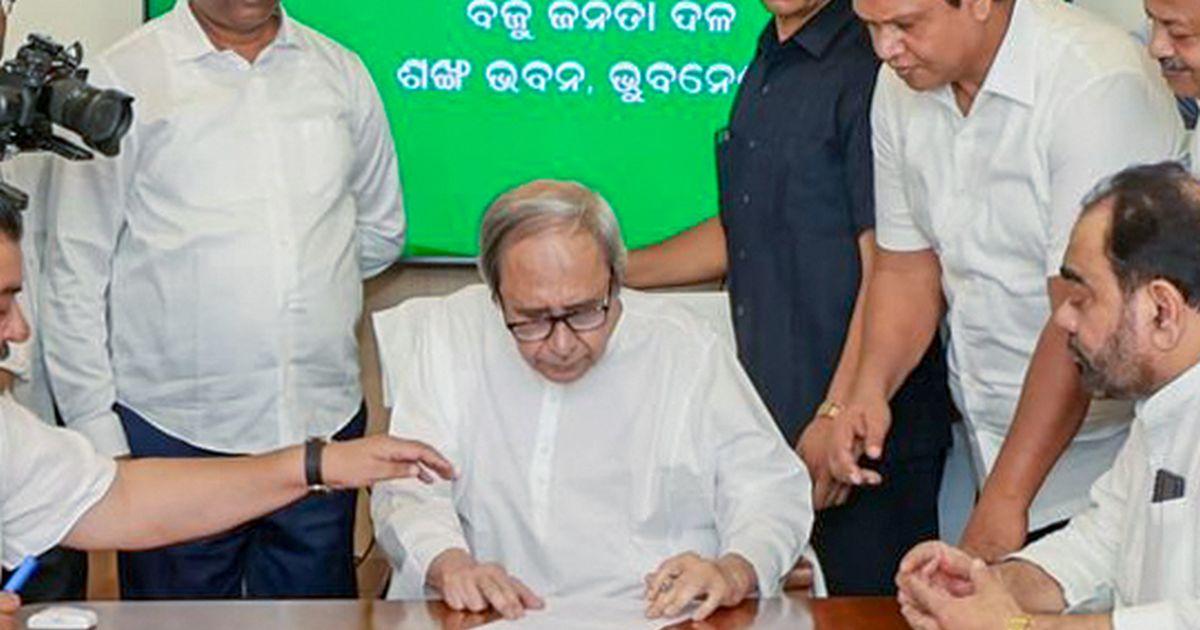
A fresh political storm has erupted in India as the National Payments Corporation of India (NPCI) confirmed a 0.4% Merchant Discount Rate (MDR) on Person-to-Merchant (P2M) UPI transactions exceeding Rs 2,000, effective October 15, 2026. This move, aiming to bolster the digital payments ecosystem, has triggered sharp criticism from opposition parties like the Biju Janata Dal (BJD) and the Indian National Congress, who argue it burdens small traders and common citizens. While the government and the BJP defend the new charges as essential for sustaining UPI rapid growth and infrastructure, clarifying that consumers will not directly pay these fees and that 96% of all P2M transactions remain unaffected, the opposition labels it a 'Modi tax' and alleges it's a capitulation to external pressure. The MDR will be capped at Rs 300 for transactions above Rs 75,000, with special flat fees for critical sectors like fuel and railways, and small merchants receiving up to Rs 1 lakh monthly via QR codes are exempt. A parliamentary committee's recommendation for a tiered revenue model is cited by the BJP, though Congress MPs dispute ever specifically approving this 'UPI tax'. With the government firmly ruling out any rollback, the digital payments landscape is set for a significant shift in just weeks, leaving merchants to navigate the added costs and potentially adjust pricing. The debate is likely to intensify as the October 15 deadline approaches, forcing a closer look at the true cost of digital payments and their long-term sustainability.