India's Water Crisis Deepens Amidst Deficient Monsoon, El Niño Threats
Context mode is active. Hover over any highlighted term to see its definition. Click a nested term to go deeper.
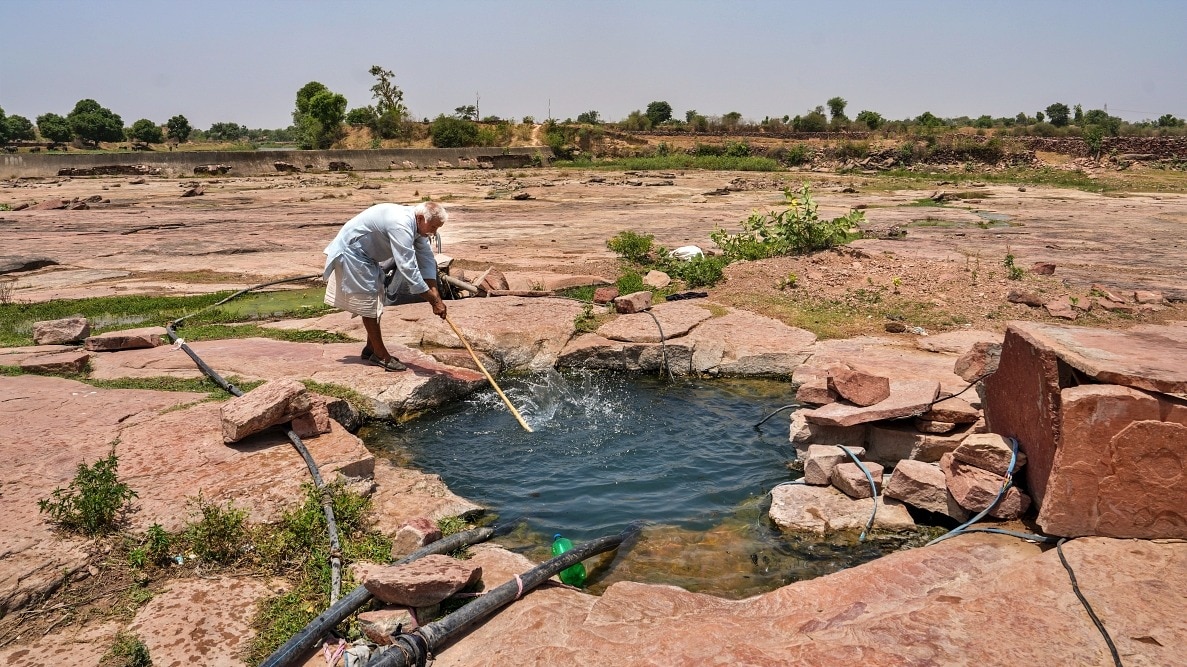
India is heading into winter with a worrying combination of deficient monsoon rainfall and dwindling reservoir levels, intensifying an already deep-seated Water Crisis. The India Meteorological Department (IMD) reported a 12.56% rainfall deficit during the June-September 2026 monsoon, leaving national reservoir storage significantly below the ten-year average. Adding to the urgency, a strengthening El Niño phenomenon is expected to worsen regional shortages, prompting states like Maharashtra to impose immediate 10% water cuts. This immediate challenge sits atop India's persistent struggle with Groundwater Depletion, where Agriculture Water Use, consuming up to 90% of available water, far outpaces natural recharge. The World Meteorological Organization's (WMO) 2025 report already flagged northern India for below-normal terrestrial water storage, while a UN 2026 report warned that India's groundwater depletion now exceeds safe limits. In response, the government has launched Jal Jeevan Mission 2.0, extending until December 2028 with a substantial outlay to ensure rural tap water access and shifting focus to sustainable service delivery and community involvement. The crucial test now looms with the approaching summer of 2027, as rising temperatures due to Climate Change could further strain already depleted reservoirs and aquifers. India is accelerating efforts towards climate-resilient water management, including promoting efficient irrigation, rainwater harvesting under campaigns like Jal Shakti Abhiyan, and implementing the new National Water Data Policy 2026 to foster data-driven governance. The success of these initiatives will be vital in transforming water from a scarce resource into a circular asset essential for the nation's long-term well-being.