Indus Waters Treaty: India Cites Pakistan's Hostility for Abeyance, Warns of Continued Freeze
Context mode is active. Hover over any highlighted term to see its definition. Click a nested term to go deeper.
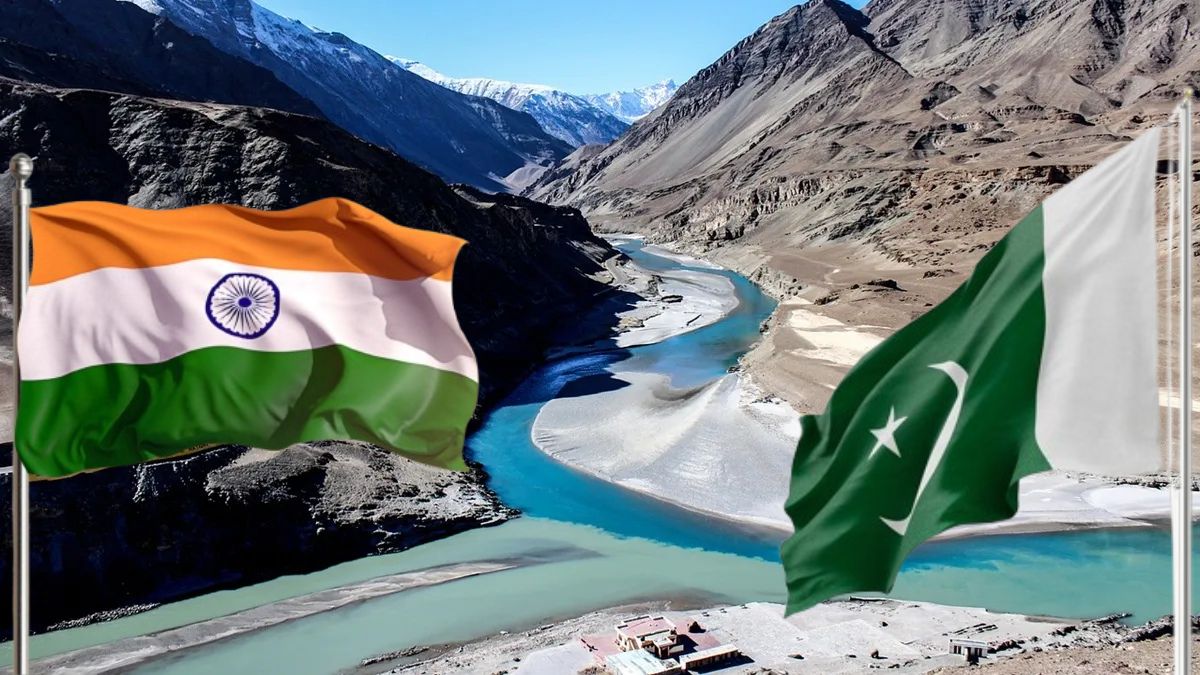
India's Ambassador to the United States, Vinay Kwatra, has sharply defended New Delhi decision to place the Indus Waters Treaty (IWT) in abeyance, asserting that Pakistan's half-century of 'dismantling goodwill' through cross-border terrorism and obstruction made the move unavoidable. Speaking in Washington and writing in a recent Newsweek opinion piece, Kwatra stated that India's suspension of the 1960 water-sharing pact merely acknowledges a reality Pakistan's actions had already created, linking the treaty's future directly to an end to Islamabad support for terror. This firm stance comes over a year after India paused the treaty following a devastating April 2025 terror attack in Pahalgam, Jammu and Kashmir, which claimed 26 lives. The dispute escalates against a backdrop of Pakistan's strong protests, where it accuses India of 'water weaponisation' and warns of severe regional consequences if its water security is compromised. While India pushes forward with building new hydropower projects in Jammu and Kashmir, Pakistan continues to allege reduced water flows in rivers like the Chenab, claims India refutes by citing Pakistan's own data on monsoon rainfall. India has also consistently blocked Pakistan's efforts to refer the dispute to a Court of Arbitration, insisting on a Neutral Expert process instead, and rejecting any awards from the arbitration as 'illegally constituted' and 'null and void'. The World Bank, which brokered the original treaty, has found itself navigating these parallel dispute resolution attempts. Looking ahead, India has made it unequivocally clear that the IWT will remain in abeyance until Pakistan demonstrably ceases its support for cross-border terrorism and shows readiness to renegotiate the treaty's terms. This hardening of positions signifies a dangerous stalemate in South Asian water diplomacy, transforming a historical framework of cooperation into a flashpoint for renewed bilateral tensions. The coming months will test whether any diplomatic breakthroughs can occur to prevent further escalation, with implications for regional stability and the livelihoods of millions dependent on the Indus river system.