Indus Waters Treaty: Pakistan Warns 'Profound Consequences' Amid India's Abeyance
Context mode is active. Hover over any highlighted term to see its definition. Click a nested term to go deeper.
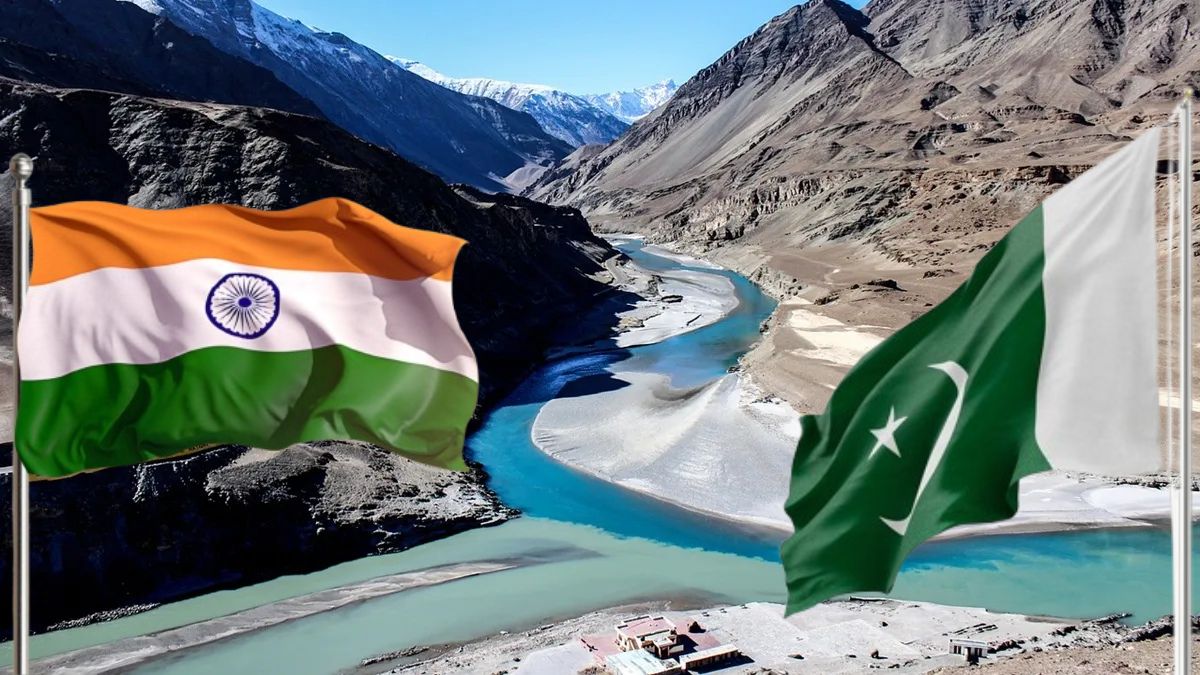
Pakistan has sharply escalated its diplomatic push against India's decision to put the Indus Waters Treaty (IWT) 'in abeyance,' warning of 'profound consequences' for regional peace. This comes after India suspended the vital water-sharing pact in April 2025, following the deadly Pahalgam terror attack, citing Pakistan's alleged support for cross-border terrorism. New Delhi has maintained that 'blood and water cannot flow together' until Islamabad takes credible action against terror groups. Islamabad recently convened an 'international conference' to rally global support, with top officials like Deputy Prime Minister Ishaq Dar and PPP Chairman Bilawal Bhutto-Zardari accusing India of attempting to 'weaponize water.' They argue that the 1960 World Bank-brokered treaty cannot be unilaterally suspended and that India's actions, including stopping the sharing of crucial hydrological data and pressing ahead with hydropower projects on Western Rivers, threaten Pakistan's agriculture and national security. Meanwhile, India has rejected a recent award by a Court of Arbitration, calling it 'illegally constituted.' The ongoing standoff signifies a deepening crisis for a treaty that has survived multiple wars. With India firm on its stance until cross-border terrorism ends, and Pakistan seeking international intervention, the future of this critical water-sharing agreement remains highly uncertain. Observers are now watching for any further diplomatic or legal moves, and the potential for increased tension in the sensitive India-Pakistan relationship.