Iran Defies 'Economic D-Day' Sanctions Amidst Escalating US Pressure and Stalled Talks
Context mode is active. Hover over any highlighted term to see its definition. Click a nested term to go deeper.
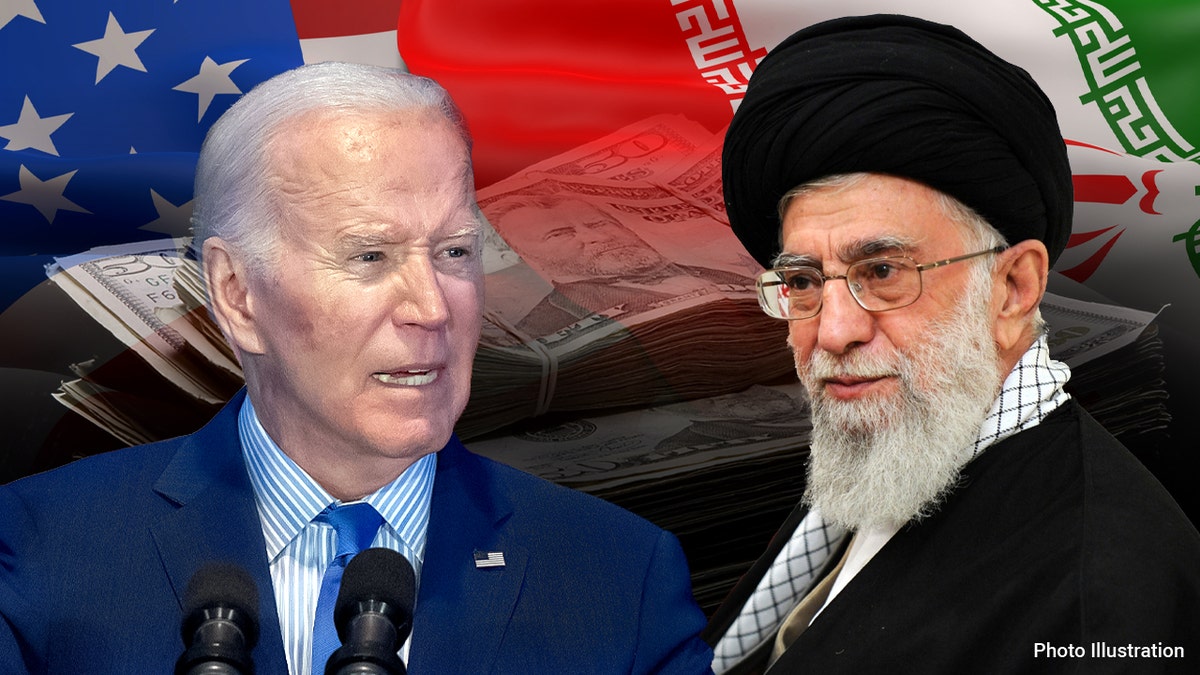
Iran has vehemently rejected the United States' latest wave of "Economic D-Day" sanctions, which US Treasury Secretary Scott Bessent rolled out this week in a bid to choke Tehran's economy six months into a simmering conflict. President Masoud Pezeshkian declared the measures would 'achieve nothing,' even as Washington's new strategy, dubbed 'Operation Economic Outcast,' targets Iran vital sectors from digital assets to shipping, threatening any global entities doing business with the Islamic Republic. This aggressive economic push comes as direct military action has stalled, forcing the Trump administration to shift tactics after failing to secure a quick victory since the US-Iran conflict began in February 2026. The already fragile Iranian economy, grappling with an 80% inflation rate and a plummeting Iranian Rial, faces renewed strain, while the critical Strait of Hormuz remains partially closed by Iran and under a US naval blockade. A brief June 2026 Memorandum of Understanding to ease tensions and resume oil exports was quickly scrapped by the US in July, citing renewed attacks by Iran Islamic Revolutionary Guard Corps on commercial vessels. With Tehran warning of 'harsh responses' to any nations cooperating with US sanctions and major trading partners like China publicly criticizing the US move, the situation remains a high-stakes standoff. The US continues to hold out the possibility of negotiations, a prospect Iran says it's open to, but only from a position of strength, making an immediate breakthrough unlikely. Observers will be closely watching for how far the US is willing to go in confronting key Iranian trade partners and whether this economic 'onslaught' can truly break Iran long-standing resilience to sanctions.