Iran Now Weighs US Ceasefire Counterproposal Amid High-Stakes Strait of Hormuz Standoff
Context mode is active. Hover over any highlighted term to see its definition. Click a nested term to go deeper.
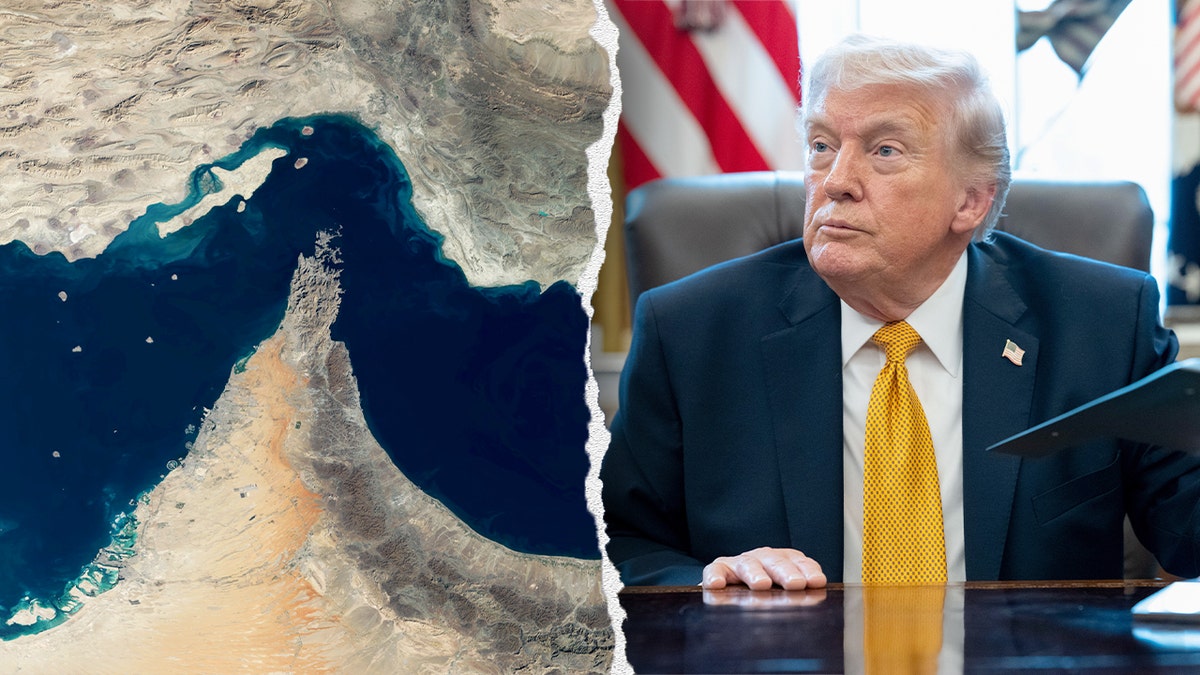
In a critical development, Iran has officially received a counterproposal from the United States regarding its seven-day ceasefire plan, even as diplomatic tensions remain high after US President Donald Trump publicly dismissed Iran initial offer. The formal delivery, facilitated by Qatari mediators, suggests a pathway for negotiations, yet the core disagreement over the 'sequencing of concessions' continues to stall any real breakthrough. This exchange comes amidst a seven-month-long undeclared war, marked by US naval blockade on Iranian ports and Iran disruption of the strategically vital Strait of Hormuz, a critical chokepoint for global oil supplies. The diplomatic maneuvering also coincides with the complete withdrawal of American forces from Iraq, a move hailed as a 'historic victory' by Iran and its allies, which could reshape regional power dynamics. Despite Trump's earlier public rejection and threats of further military action, indirect talks are clearly still active. Now, all eyes are on Tehran as the Iranian government, led by President Masoud Pezeshkian and Foreign Minister Abbas Araghchi, reviews the US counterproposal. The outcome will determine whether a fragile de-escalation can take hold in the Persian Gulf or if the ongoing conflict, which has already seen attacks on tankers and volatile oil prices, will further intensify. Observers will be watching closely for any movement on the contentious issue of sequencing, which remains the key to unlocking a potential peace.