Iran Nuclear Jitters: IRGC Outlet Walks Back Bomb Call Amid Truce
Context mode is active. Hover over any highlighted term to see its definition. Click a nested term to go deeper.
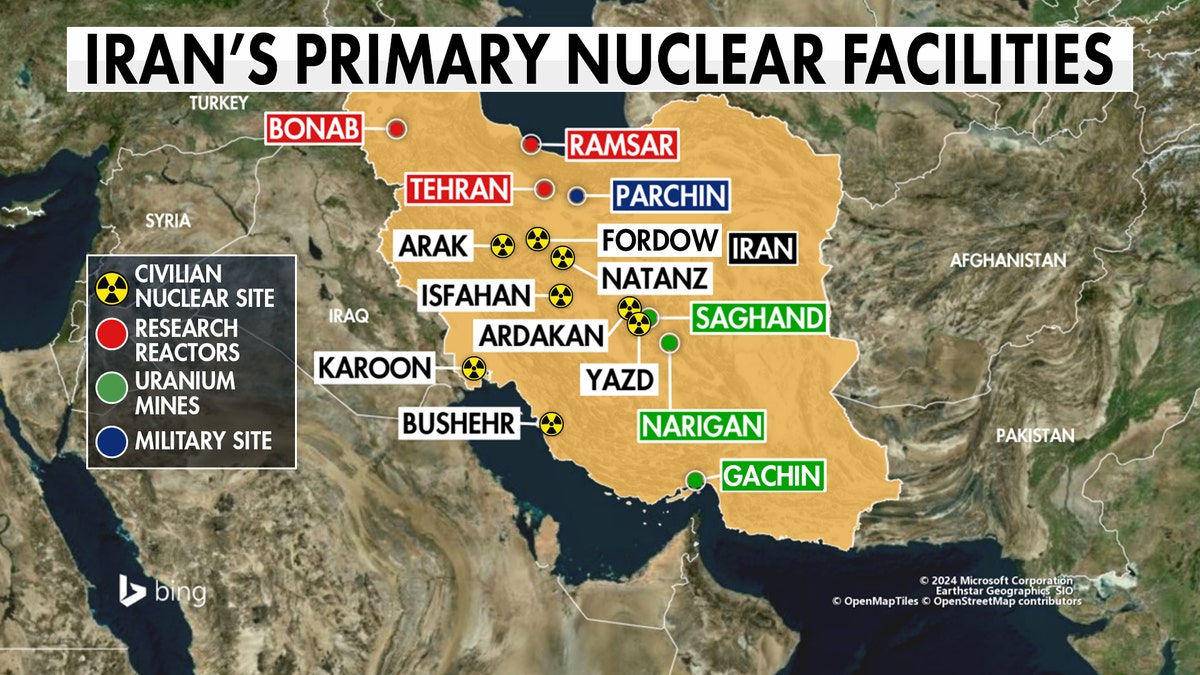
A recent article from an Islamic Revolutionary Guard Corps (IRGC)-linked Fars News Agency ignited fresh alarm this week by arguing Iran had 'no choice' but to develop nuclear weapons for long-term security. The commentary, published Sunday, suggested Tehran needed strategic deterrence despite a recent interim agreement with the United States. However, Fars News quickly clarified that the article, which appeared in its user-generated content section, did not represent the agency's official editorial position or policy, a crucial walk-back that attempts to temper escalating global concerns. This explosive commentary emerged just days after the US and Iran signed a Memorandum of Understanding (MOU) on June 17, aimed at halting ongoing hostilities and reopening the Strait of Hormuz. The MOU also initiated a 60-day window for negotiations on a comprehensive nuclear deal, where Iran reportedly pledged not to develop nuclear weapons and to allow some International Atomic Energy Agency (IAEA) inspections. Yet, the IRGC-affiliated Fars News has also indicated that full IAEA access to sensitive sites like Fordow and Natanz is contingent on a final agreement and the lifting of all sanctions, contrasting with IAEA Director General Rafael Grossi calls for robust, immediate verification of Iran's uranium enrichment, which stands at a worrying 60%. As diplomatic efforts continue under the shadow of recent US airstrikes—which Iran claims violate the MOU—all eyes are on the upcoming 60-day negotiation period. The mixed signals from Iran, particularly the tension between official pledges and hardline rhetoric, underscore the fragility of the current détente. The international community will be closely watching whether a verifiable agreement can be forged, or if this latest incident signals deeper, unresolved ambitions that could destabilize an already volatile Middle East.