Iran Parliament Passes Hormuz Security Plan, Intensifying Global Shipping Standoff
Context mode is active. Hover over any highlighted term to see its definition. Click a nested term to go deeper.
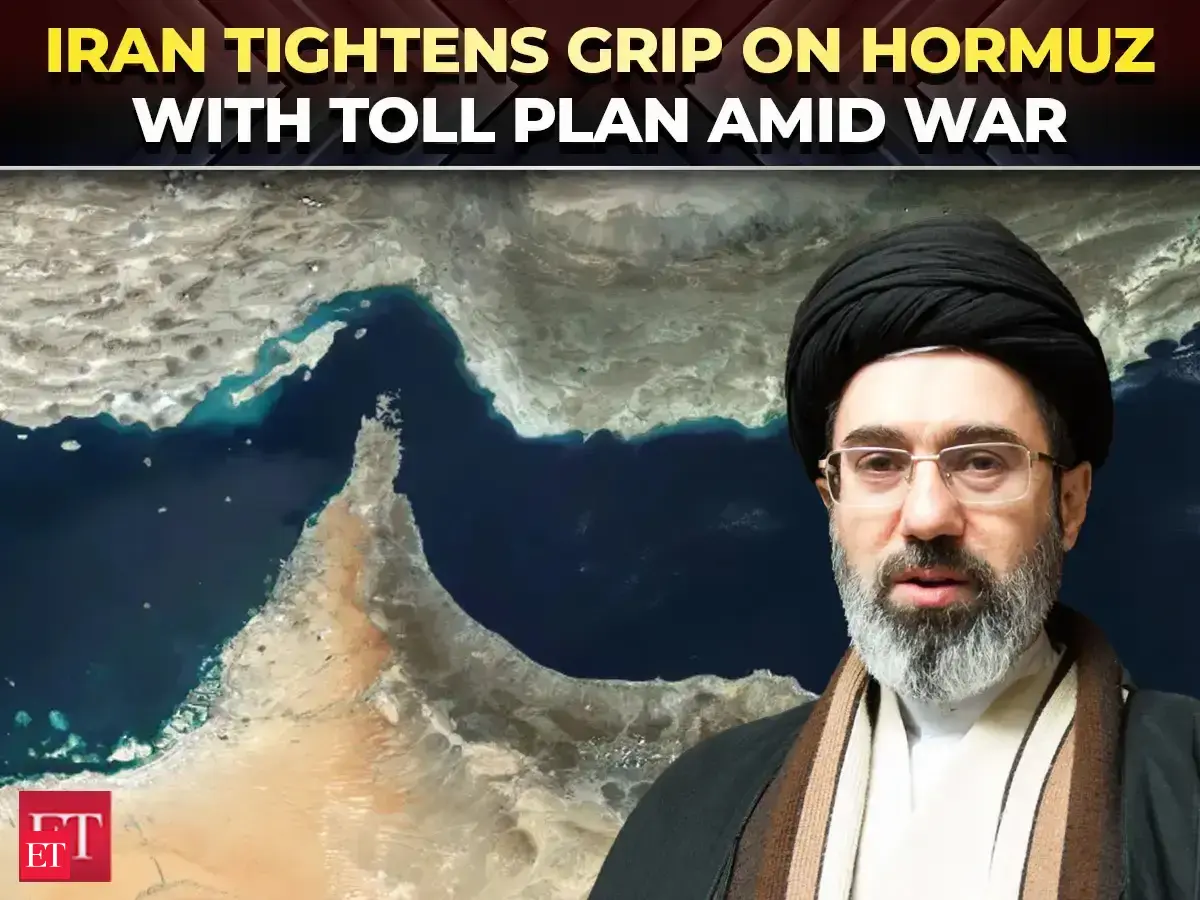
Iran's parliamentary commission for National Security and Foreign Policy has greenlit a sweeping framework for the security of the Strait of Hormuz and the Persian Gulf. This move, approved without a single opposing vote on Sunday, August 9, 2026, signals Tehran's unwavering commitment to controlling the crucial waterway, even as international pressure mounts for its full reopening. It comes amid ongoing, sensitive talks with Oman regarding new shipping routes, which Iran insists are separate from the broader conditions for unlocking the strait. The 'Strategic Action for the Security and Sustainable Progress of the Strait of Hormuz and the Persian Gulf' legislation, introduced on July 13, reportedly includes a ban on vessels linked to the United States or Israel. This development follows months of heightened tensions, including a US naval blockade reimposed in July and an Iranian missile strike on a UAE-affiliated oil tanker just days ago. While Iranian Foreign Minister Seyyed Abbas Araghchi has confirmed proximity to an agreement with Oman on traffic management, Iran's Supreme National Security Council, now led by hardline veteran Mohsen Rezaei, continues to demand significant concessions from the US, including compensation for war damages and the lifting of all sanctions, before the strait is fully reopened. The ball is now firmly in Washington's court. With crude oil prices surging due to the ongoing geopolitical uncertainties, the global economy is watching closely. The legislative framework still needs full parliamentary approval, but its passage by the commission is a clear message that Iran is digging in its heels. Whether the US will yield to Iran's demands or continue its 'low-keying' approach, as President Trump recently described it, will determine the fate of global shipping and the direction of the stalemated nuclear negotiations.