Iran Rejects Direct US Talks on Hormuz Amidst Regional War, Eyes Oman Mediation
Context mode is active. Hover over any highlighted term to see its definition. Click a nested term to go deeper.
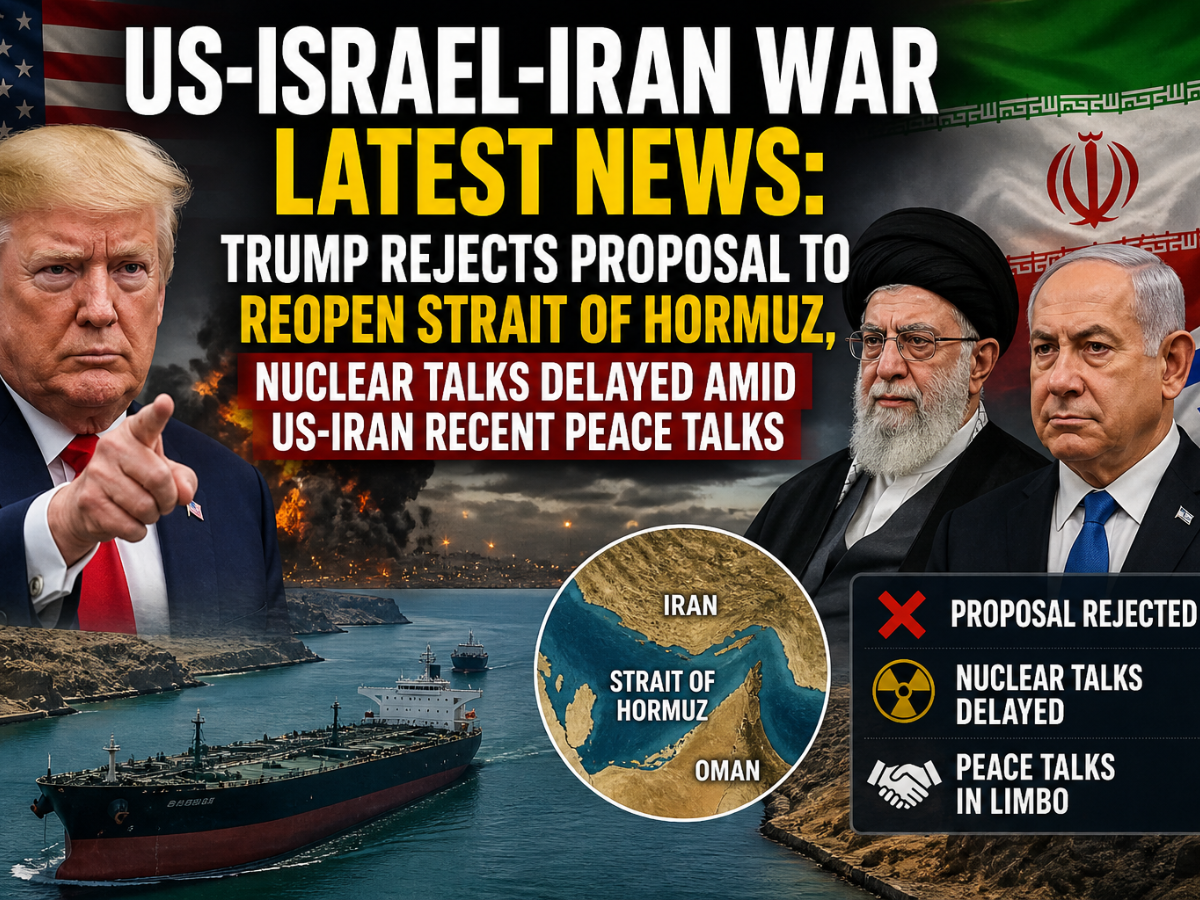
A fresh round of diplomatic jostling has erupted over the Strait of Hormuz today, as US President Donald Trump announced that direct talks with Iran to end the ongoing conflict and reopen the critical waterway were imminent. However, Iran foreign ministry quickly countered, denying any direct negotiations with Washington and clarifying that discussions are solely with Oman regarding the management of the strategic strait. This public disagreement underscores the deep mistrust and complex dynamics at play in a region already grappling with an active war and severe disruptions to global oil trade. This latest development unfolds against the backdrop of a full-scale war that began on February 28, 2026, initiated by US-Israeli airstrikes on Iran which killed several key Iranian officials, including Supreme Leader Ali Khamenei. Iran retaliated by blocking the Strait of Hormuz in late March, leading to a global fuel crisis and immense pressure on energy markets. In response, the US imposed its own naval blockade on Iranian ports, further escalating tensions. While a Memorandum of Understanding in June briefly halted hostilities and reopened the strait, it appears to have largely collapsed, with Iran reportedly resuming attacks on commercial vessels in July, prompting the US to reinstate its blockade. With both sides publicly at odds over the nature of these 'talks,' the immediate future remains unclear. Oman role as a mediator is now more crucial than ever, particularly as Iran and Oman reportedly near a deal on a new route and management mechanism for the Strait of Hormuz. Any lasting resolution will require genuine de-escalation of the broader regional conflict and clear, unified diplomatic channels — a tall order given the current state of affairs and the severe economic and human toll of the ongoing war.