Iran Rejects US Proposal, Threatens Cyber Retaliation Amid Regional Tensions
Context mode is active. Hover over any highlighted term to see its definition. Click a nested term to go deeper.
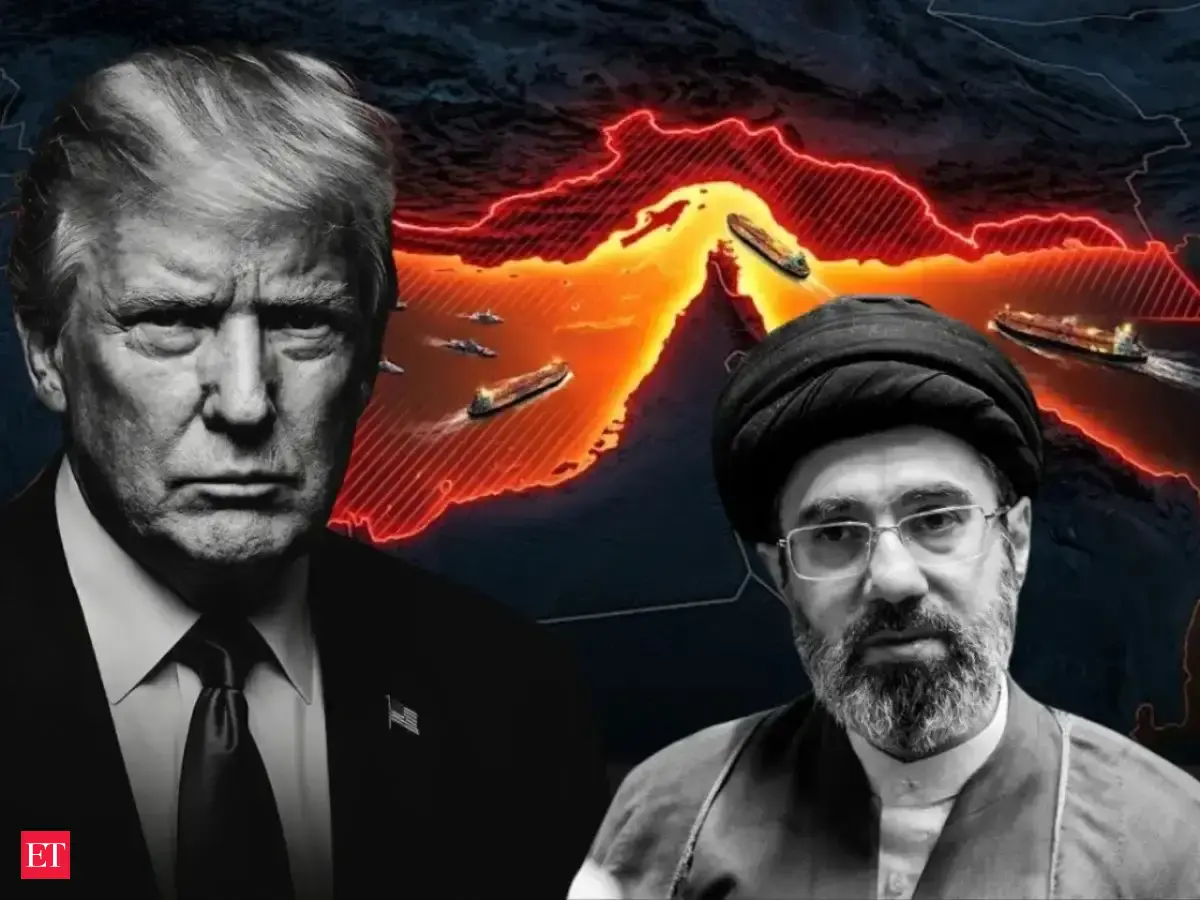
Iran's top security official has rejected the latest US proposal to resolve regional disputes, calling it 'insufficient' and threatening to target critical infrastructure like data centers and undersea cables if fighting escalates further. Mohsen Rezaei, head of Iran's Supreme National Security Council, stated Tehran would not respond further, demanding clarification on several unmet conditions related to reopening the Strait of Hormuz. This firm stance comes as a major escalation in rhetoric, directly targeting digital lifelines valued at an estimated $2 trillion. The warning lands amidst a volatile Middle East, marked by intensified Houthi missile and drone attacks on Saudi airports, which have left at least 13 dead and hundreds injured since Saturday. Riyadh's King Khalid International Airport and King Fahd International Airport in Dammam have seen flights cancelled and international travel warnings issued, prompting Saudi Arabia to vow decisive retaliation. Simultaneously, satellite images reveal renewed activity at Iran's Minzadayi compound, a site Israel previously struck for alleged nuclear weapons development, adding another layer of concern to the region's simmering tensions. Adding to the regional instability, former Attorney General Avichai Mandelblit has also testified in Benjamin Netanyahu ongoing corruption trial in Israel. Diplomatic efforts, despite Iran's stern rejection, are still reportedly underway through mediators like Pakistan and Qatar, though Tehran insists it won't revert to past negotiating positions. The US is now weighing potential direct military action against the Houthis in Yemen, further signaling a readiness to intervene more forcefully. The coming weeks will be critical to see if new conditions can be met or if the escalating threats from Iran regarding cyber warfare and physical infrastructure will translate into real-world actions, potentially plunging the region into a wider, more technologically advanced conflict. The global community watches closely for any signs of de-escalation or further confrontation.