Iran says continues US strikes are violations of the ceasefire
Context mode is active. Hover over any highlighted term to see its definition. Click a nested term to go deeper.
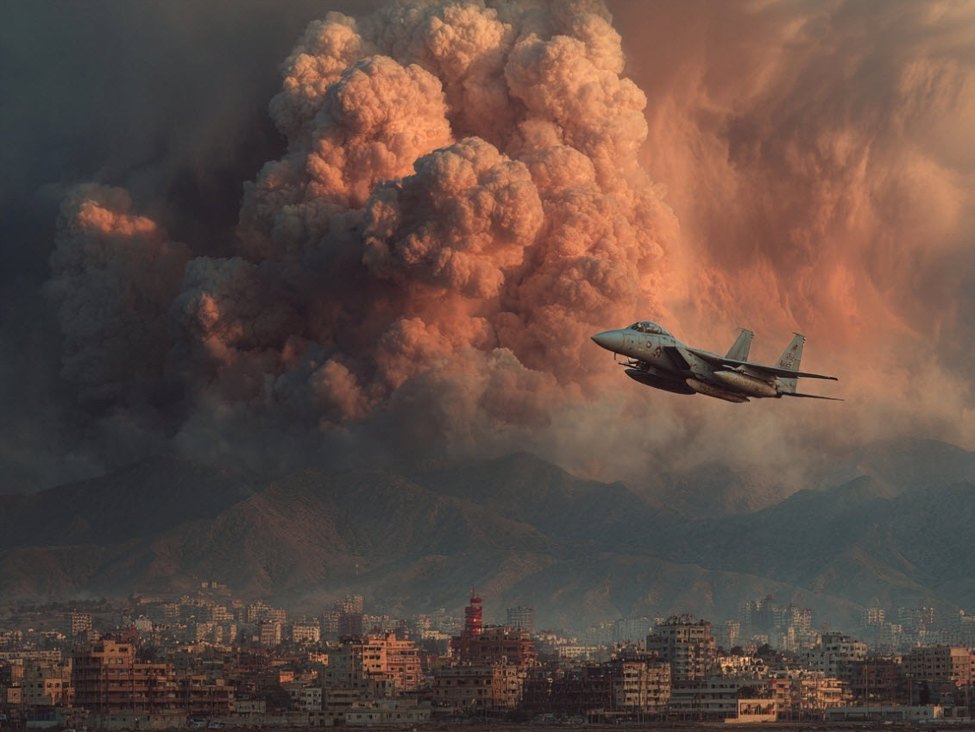
A dangerous escalation has gripped the Persian Gulf tonight, with Iran launching ballistic missiles and drones at a US air base in Kuwait, directly retaliating for earlier American strikes near Iran critical Bandar Abbas port. The US claims its forces intercepted drones targeting a naval vessel and commercial ship, along with a pre-emptive strike on a ground launcher, while Tehran decries these actions as flagrant ceasefire violations, dismissing any damage or casualties. This tit-for-tat exchange represents the most serious breach of the standing ceasefire, immediately sending global markets into a risk-off retreat. The latest confrontation builds on a tense week that saw US Central Command target Iranian missile sites and mine-laying boats in southern Iran just Monday, actions also labeled by Tehran as unacceptable aggression. The Strait of Hormuz, a choke point for global oil shipments, remains the volatile epicenter of these clashes, with both nations trading accusations over naval maneuvers. Despite repeated calls for de-escalation, high-level negotiations between Washington and Tehran remain stalled, characterized by rigid positions and zero concessions. All eyes are now on potential counter-retaliation from the US, which, while asserting the ceasefire integrity, has repeatedly framed its actions as self-defense. Further Iranian "decisive responses," as warned by the IRGC, could quickly spiral this situation beyond control, threatening maritime security and pushing crude oil prices higher. The fragility of the current "ceasefire" is now undeniable, raising the specter of a broader regional conflagration and demanding immediate, decisive diplomatic intervention to avert wider conflict.