Iran War Costs Mount: IG Report Exposes $33B Spend, F-15E Losses, and Oil Shockwaves
Context mode is active. Hover over any highlighted term to see its definition. Click a nested term to go deeper.
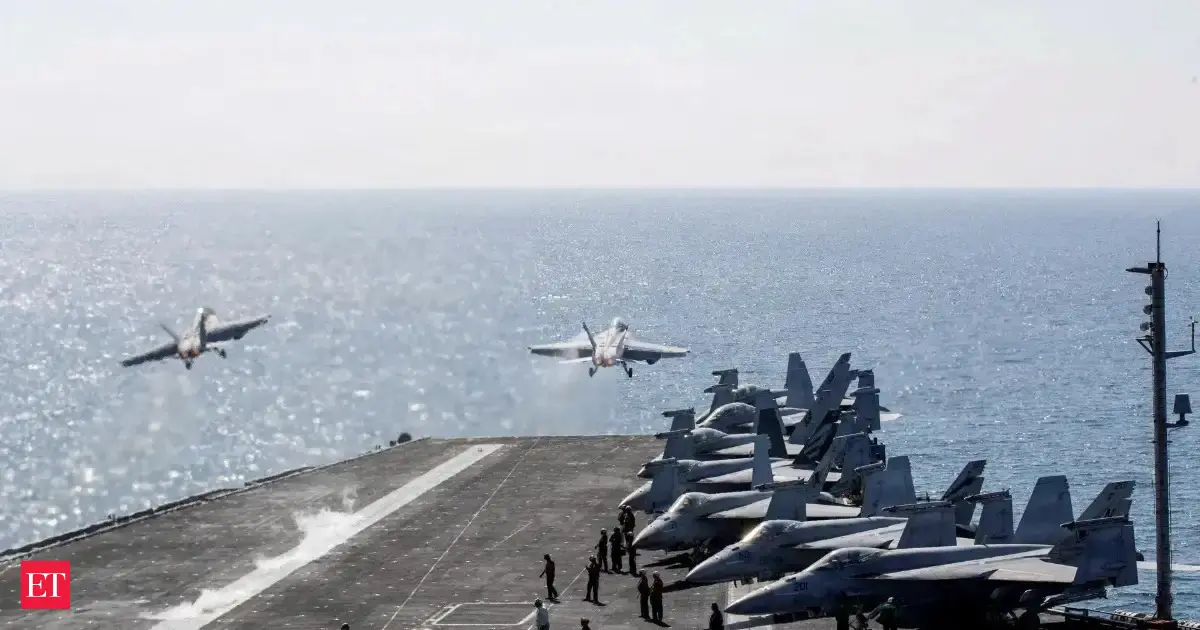
A new Inspector General report has revealed the staggering cost and strategic setbacks of 'Operation Epic Fury,' the ongoing US military campaign against Iran. Despite President Trump's repeated claims of victory, the four-month conflict, launched on February 28, 2026, has already drained an estimated $33.4 billion from US coffers, with losses including four F-15E Strike Eagle and damage to dozens of other aircraft and hundreds of US base buildings across the Middle East. The report also flags critical 'strategic inventory shortfalls' in munitions, raising alarms about the sustainability of prolonged engagement. The conflict has intensified, with Iran launching renewed ballistic missile and drone attacks in September 2026, targeting US bases in Jordan and US naval vessels in the Strait of Hormuz, further demonstrating its persistent capability to retaliate. The critical Strait of Hormuz remains a dangerous chokepoint, seeing an 82% drop in crude exports from inside the Gulf in Q2 2026, while drone strikes in September also hit Saudi Arabia's vital East-West Pipeline, exacerbating global oil supply concerns. This continued disruption has pushed crude oil prices near $100 a barrel, highlighting the severe economic repercussions of the protracted geopolitical struggle. As the Pentagon seeks an additional $67 billion in emergency funding, the classified mission statement for Operation Epic Fury continues to fuel debate and uncertainty about the ultimate objectives and timeline of the war. With the Congressional Budget Office estimating monthly costs between $2-3 billion, and experts warning of years needed to replenish advanced missile stockpiles, the path forward remains fraught with both military and economic challenges, impacting not just the immediate region but global stability.