Iran War Fuels Mortgage Spike: Rates Hit Highest Level Since Conflict Began
Context mode is active. Hover over any highlighted term to see its definition. Click a nested term to go deeper.
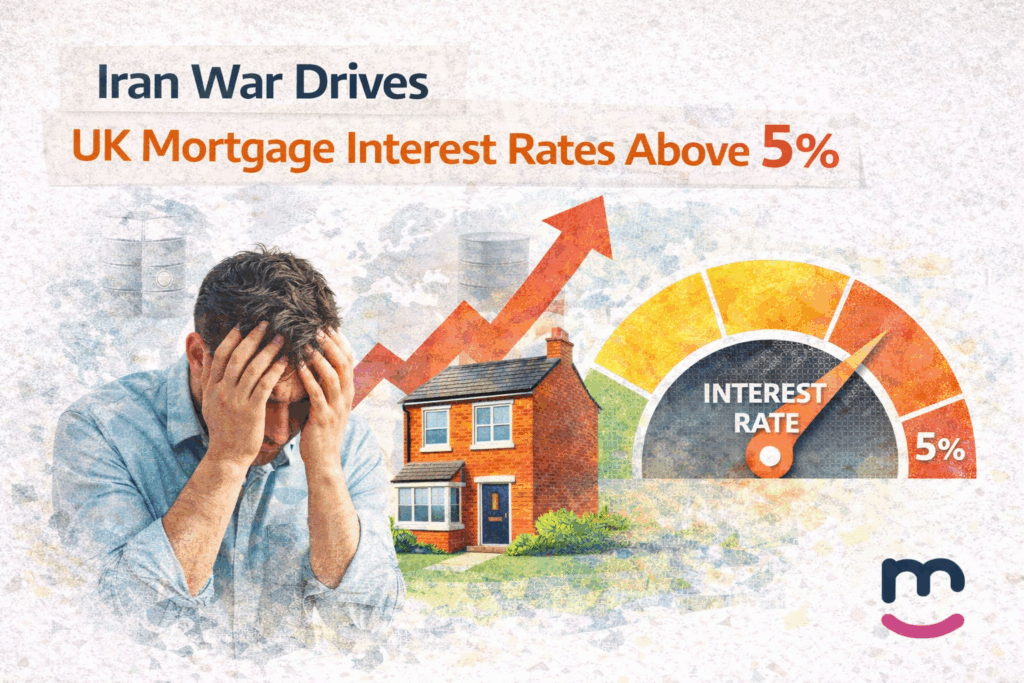
Mortgage rates in the US have surged to their highest levels since the start of the Iran War in early 2026, with the benchmark 30-year fixed mortgage now averaging around 6.55% as of mid-July. This sharp rise is directly linked to the ongoing conflict in the Middle East, which has severely disrupted global energy markets and sent oil prices climbing, exacerbating inflationary pressures across economies worldwide. Since its escalation in March 2026, the Iran War, particularly the closure of the critical Strait of Hormuz, has choked off a significant portion of global oil and liquefied natural gas (LNG) supplies. This supply shock has caused crude oil prices to surge, contributing to broader inflation and pushing the Federal Reserve and other central banks to maintain or consider tighter monetary policies. Mortgage rates closely track the 10-year Treasury yield, which typically rises with inflation expectations and central bank actions, making home financing more expensive for prospective buyers. Experts predict that mortgage rates will likely remain elevated, hovering in the mid-6% range for the rest of 2026, with some forecasts suggesting potential fluctuations if the conflict persists or global energy prices see further volatility. Borrowers are urged to monitor geopolitical developments and central bank signals closely, as a swift resolution to the conflict could offer some relief, while a prolonged one could continue to weigh heavily on housing affordability and the broader global economy.