Iran War on Pause: Trump's Crucial Test Amidst Escalating Nuclear Threat
Context mode is active. Hover over any highlighted term to see its definition. Click a nested term to go deeper.
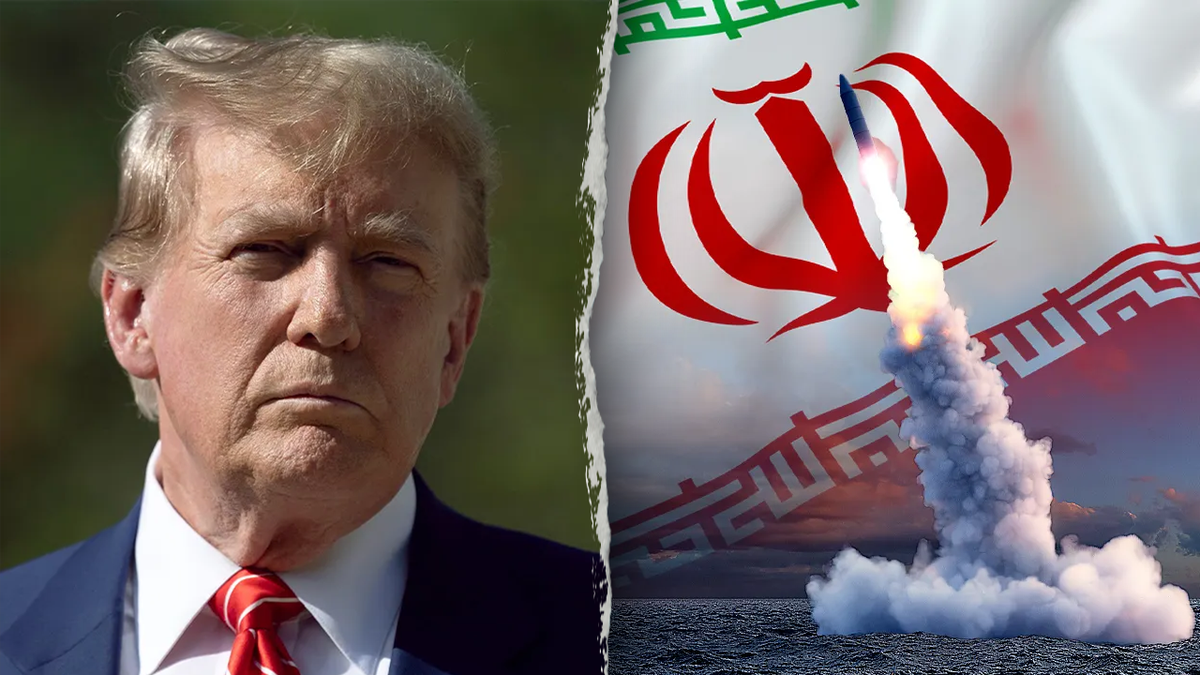
A fragile military pause has settled over the ongoing US-Iran conflict, but don't mistake this for calm. President Donald Trump, facing a 'strategic dead end' in the current 'Iran War,' recently pulled back from further major military strikes, opting instead for urgent diplomatic talks to ease tensions in the Strait of Hormuz and address Iran's rapidly advancing nuclear ambitions. This de-escalation follows weeks of intense US air campaigns and Iran's provocative attacks on commercial vessels, setting the stage for a critical test of Trump's foreign policy. The 'Iran War,' initiated by US-Israeli strikes in February 2026, has seen continuous US bombardments and retaliatory actions, with American service members killed by Iranian missiles in Jordan and Iraq this month. Despite a June 2026 Memorandum of Understanding aimed at ending hostilities, Iran swiftly breached its terms by attacking ships in the vital Strait of Hormuz, forcing a renewal of US military action. Meanwhile, Iran is aggressively rebuilding its nuclear infrastructure underground at sites like 'Pickaxe Mountain,' a deeply buried facility near Natanz, raising international alarm as it restricts IAEA access and expands uranium enrichment. This continued nuclear defiance, alongside persistent threats from Iranian proxy groups like the Houthis, highlights the severe challenges facing any path to lasting peace. With US military stockpiles reportedly depleted from the ongoing conflict and aid to Ukraine, the stakes for the current diplomatic push are extraordinarily high. President Trump has publicly given a short deadline for these talks, warning of a swift return to 'strong military action' if diplomacy fails. Mediated discussions involving Oman, Qatar, and Pakistan are attempting to secure open passage in the Strait of Hormuz and broader de-escalation. The world now watches as Trump tries to navigate this complex crisis, needing to secure verifiable nuclear limits and deter proxy aggression without plunging the region into a wider, potentially uncontrollable conflict.