IRGC: New Hormuz route announced without Iran coordination is unacceptable, dangerous
Context mode is active. Hover over any highlighted term to see its definition. Click a nested term to go deeper.
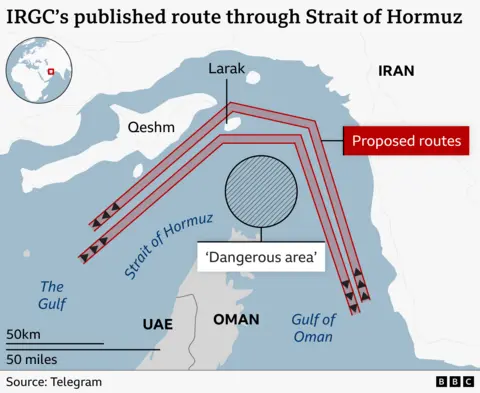
The Islamic Revolutionary Guard Corps (IRGC) has issued a stark warning, declaring any new shipping route through the crucial Strait of Hormuz that bypasses Iranian coordination as 'unacceptable and dangerous,' threatening action against non-compliant vessels. This comes as some tankers reportedly begin using an alternative southern route along Omani territorial waters, escalating a high-stakes standoff over control of the world's most vital oil chokepoint. This latest maritime flashpoint unfolds amidst the ongoing 2026 Iran war, which began in February after US and Israeli strikes, and the fragile US-Iran peace negotiations currently under a 60-day memorandum of understanding. While a UN maritime agency and Oman promote the southern route to ease traffic and provide distance from Iranian waters, the IRGC insists only its designated channels are permissible, highlighting deeply entrenched control disputes in a strait through which nearly a fifth of global oil supplies transit daily. Compounding these tensions, former US President Donald Trump recently weighed in on separate Iran-related issues, expressing doubt over US responsibility for a deadly strike on an Iranian girls' school and reiterating his firm opposition to any shipping fees being included in a final Iran deal, signaling broader friction points that continue to simmer. With parts of the central shipping corridor still reportedly mined and traffic recovering only gradually, the immediate concern is avoiding miscalculation as vessels navigate conflicting directives. International observers will be closely watching whether shipping companies comply with Iran demands or continue using the Omani-backed alternative, potentially forcing a direct confrontation. The diplomatic tightrope walk in Washington and Tehran over the next 60 days will also determine if a permanent agreement can materialize, or if these maritime and broader geopolitical tensions will plunge the region further into instability.