Islamabad Beckons: Critical US-Iran Talks on Nuclear Future & Sanctions
Context mode is active. Hover over any highlighted term to see its definition. Click a nested term to go deeper.
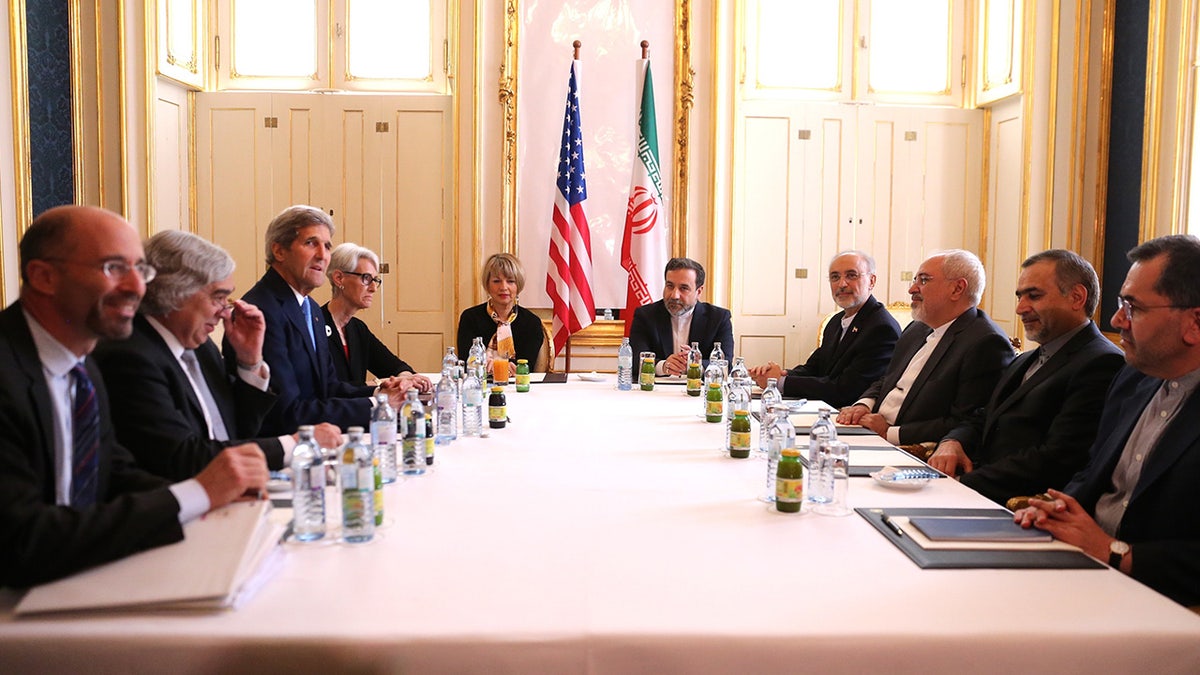
Pakistan is set to host the next crucial round of US-Iran negotiations on July 11 in Islamabad, with the ongoing discussions focusing heavily on American sanctions against Tehran and the future of Iran's nuclear ambitions. This meeting follows a recent period of intense diplomatic activity, including a June 17 Memorandum of Understanding that sought to de-escalate regional conflict and paved the way for these high-stakes discussions. The talks come amidst temporary US sanctions relief on Iranian oil and a precarious regional ceasefire. The stakes couldn't be higher: while Washington seeks to curb Iran's nuclear capabilities, Tehran is pushing for a complete lifting of sanctions and the release of its frozen assets. These upcoming negotiations are critical for solidifying the framework established by the Islamabad Memorandum of Understanding, which gave both sides 60 days to work towards a comprehensive agreement. The current status of Iran's nuclear program remains largely opaque due to years of restricted international inspections and recent military strikes, making the re-establishment of a clear baseline a primary challenge for negotiators. All eyes will be on Islamabad as the delegations, whose final Iranian composition awaits the conclusion of Ayatollah Ali Khamenei funeral ceremonies, convene to tackle these deeply complex issues. Success could herald a more stable West Asia and potentially unlock significant Iranian oil exports, currently aided by General License X. However, with US President Donald Trump reiterating that military action remains an option if diplomacy falters, the path to a lasting resolution is fraught with challenges, demanding careful navigation from all parties involved.