Israel and Iran step back from escalation
Context mode is active. Hover over any highlighted term to see its definition. Click a nested term to go deeper.
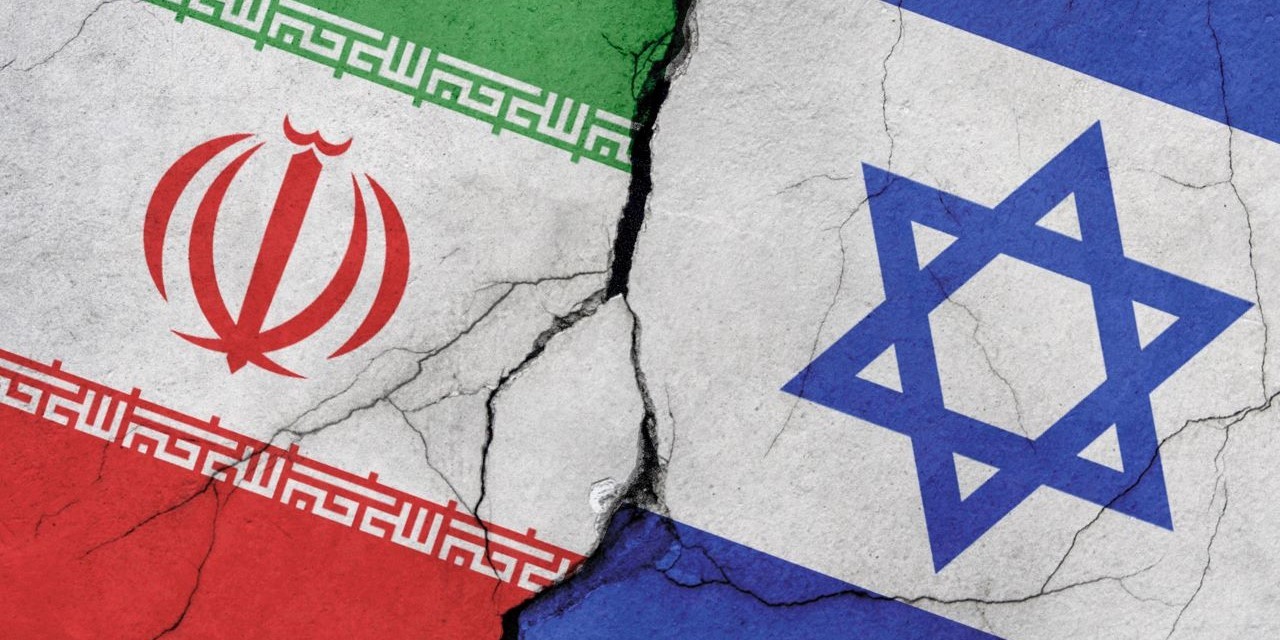
Tensions between Israel and Iran appear to be de-escalating following a week of heightened military exchanges, including targeted drone strikes and missile attacks. Both nations seem to be stepping back from a direct confrontation that risked igniting a wider regional conflict. This move marks a critical juncture after Iran unprecedented drone and missile assault on Israel, which was largely intercepted, and subsequent Israeli retaliatory measures. The immediate crisis was narrowly averted, but the underlying strategic calculus has shifted. Iran direct attack, a response to a suspected Israeli strike on its consulate in Damascus, was intended to signal a potent, albeit restrained, deterrent capability, particularly concerning its nuclear program. Israel, while demonstrating its air defense prowess, faces the ongoing challenge of managing a sophisticated adversary with a complex web of regional proxies and a burgeoning nuclear capacity, all while navigating international pressure, particularly from the United States and the European Union, to avoid further significant escalation. What remains critical is whether this pause is a genuine strategic recalibration or merely a temporary reprieve. The focus will now shift to intelligence gathering and covert operations, as both sides assess their next moves. The international community is watching closely to see if diplomatic channels can be reinforced to prevent future direct confrontations, as the specter of a broader Middle East conflagration, potentially involving the powerful Islamic Revolutionary Guard Corps (IRGC) and Israel Mossad, still looms large.