Israel-Lebanon Peace Framework Faces Steep Hurdles Amidst Hezbollah Opposition
Context mode is active. Hover over any highlighted term to see its definition. Click a nested term to go deeper.
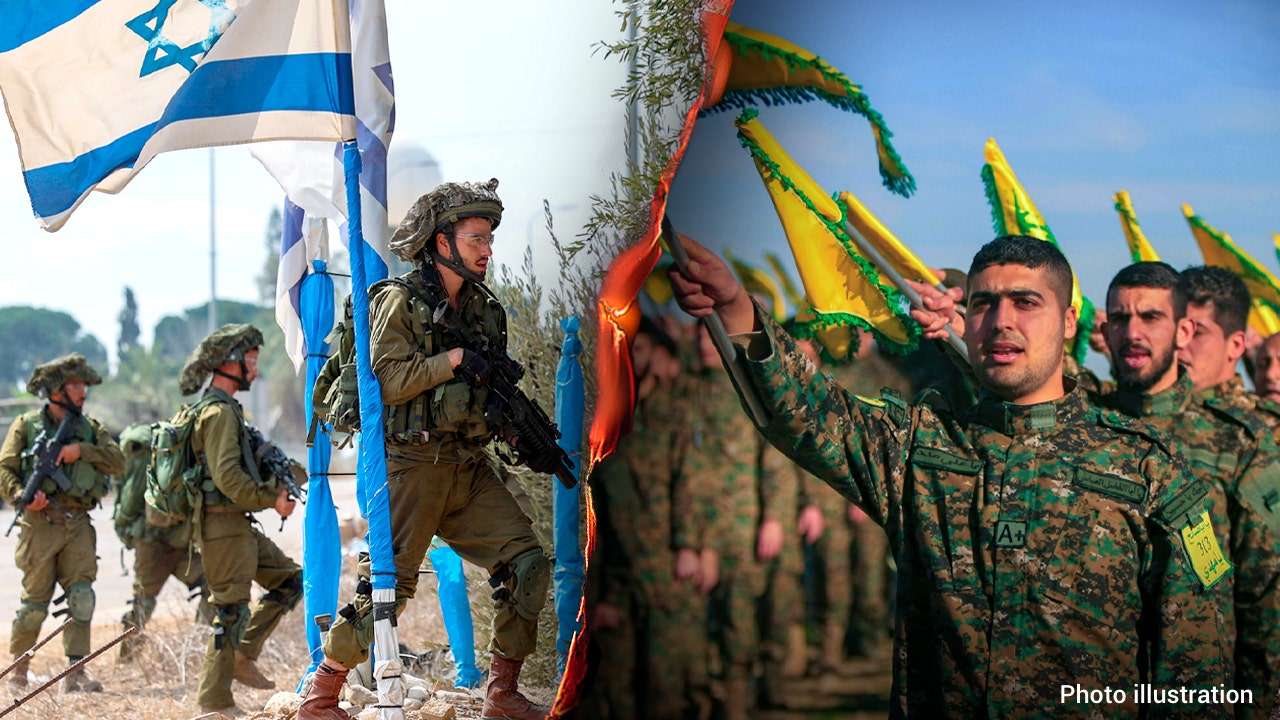
In a significant diplomatic move, Israel and Lebanon, with U.S. mediation, signed a Trilateral Framework Agreement on June 26, 2026, aiming to end their prolonged 'state of war' and usher in a new era of security. The agreement proposes a phased withdrawal of Israeli Defense Forces from Southern Lebanon, to be replaced by the Lebanese Armed Forces, and crucially, seeks to disarm non-state armed groups like Hezbollah, bolstering Lebanese 'sovereignty' over its territory. While Lebanese President Joseph Aoun and Prime Minister Nawaf Salam hailed it as a vital step toward full state authority, the powerful militant group Hezbollah and Parliament Speaker Nabih Berri have vehemently rejected the deal, calling it a 'surrender of sovereignty' and warning of potential civil unrest. The framework emerges from months of renewed intense conflict since March 2026, which saw a major Israeli war against Lebanon following Hezbollah attacks, leading to widespread displacement and humanitarian concerns. This new accord also comes as the mandate for the long-standing United Nations Interim Force in Lebanon (UNIFIL) is set to expire by the end of 2026, putting immense pressure on the Lebanese state to assume full security responsibilities along the Blue Line. The U.S., through Secretary of State Marco Rubio and the Trump administration, has actively pushed for this agreement, viewing it as a strategic reset to empower Beirut and curb Iran regional influence. However, the path to implementation is fraught with challenges. Hezbollah outright rejection and its strong political and military presence in Southern Lebanon pose a significant obstacle to the 'disarmament' clause. Israel continued occupation of certain Lebanese territories and its insistence on a buffer zone further complicate matters, with critics arguing that Beirut lacks the capacity to enforce security without risking internal conflict. The coming months will test whether sustained international support for the Lebanese Armed Forces and continued diplomatic engagement can bridge these deep divisions and transform a fragile framework into a lasting peace, or if the region will be plunged back into instability.