Israel's Shas Party Grapples with Faltering Support Amidst Haredi Draft Crisis
Context mode is active. Hover over any highlighted term to see its definition. Click a nested term to go deeper.
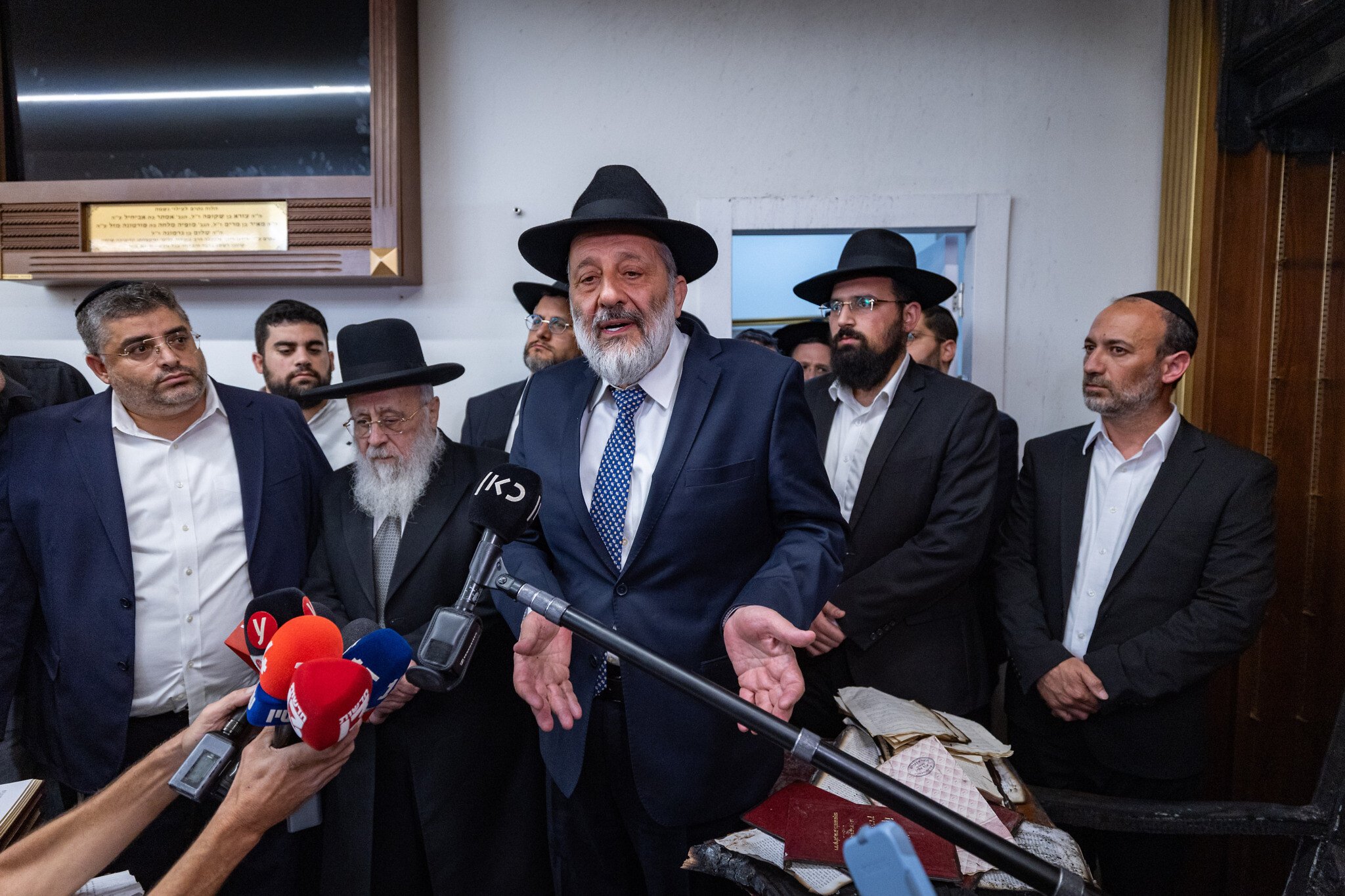
The long-standing political dominance of Shas, Israel's ultra-Orthodox Sephardic party, is showing cracks, with recent polls predicting a significant drop in its Knesset seats ahead of the October 27, 2026, national elections. This decline, particularly noticeable in traditionally loyal strongholds like Netivot in the Western Negev, stems primarily from the party's hardline stance on military conscription exemptions for Haredi Jews, a position causing a deep rift within its diverse voter base. The crisis deepened in July 2025 when Shas ministers resigned from Prime Minister Benjamin Netanyahu government over the issue, signaling profound instability for the ruling coalition. The core of the turmoil is the Israeli Supreme Court's push to end decades-long exemptions, forcing Shas spiritual leadership, the Council of Torah Sages, to take an uncompromising stance against military service even for Haredim not engaged in full-time Torah study. This has alienated a crucial segment of Shas support, particularly traditional Sephardic and Mizrahi voters, many of whom serve in the Israel Defense Forces and are questioning the fairness of broad exemptions, especially in the wake of the October 7, 2023 attacks and ongoing national conflict. This internal conflict is not only weakening Shas appeal but also bolstering new, more moderate Haredi political options like the recently formed Haredi Public Party. With national elections just days away, Shas leader Aryeh Deri has unequivocally stated the party will not join any future government that fails to enshrine these blanket draft exemptions into law, setting the stage for potentially volatile coalition negotiations and further political gridlock. The shifting allegiances among ultra-Orthodox and traditional voters could profoundly reshape Israel's political landscape, pushing Prime Minister Netanyahu into an even more precarious position as he attempts to secure a governing majority. The coming days will reveal whether this electoral shake-up is a temporary setback or a permanent re-alignment of faithful within a historically unshakeable voting bloc.