Israel's War Paradox: Low Costs, High Returns While Iran's Proxy Power Crumbles
Context mode is active. Hover over any highlighted term to see its definition. Click a nested term to go deeper.
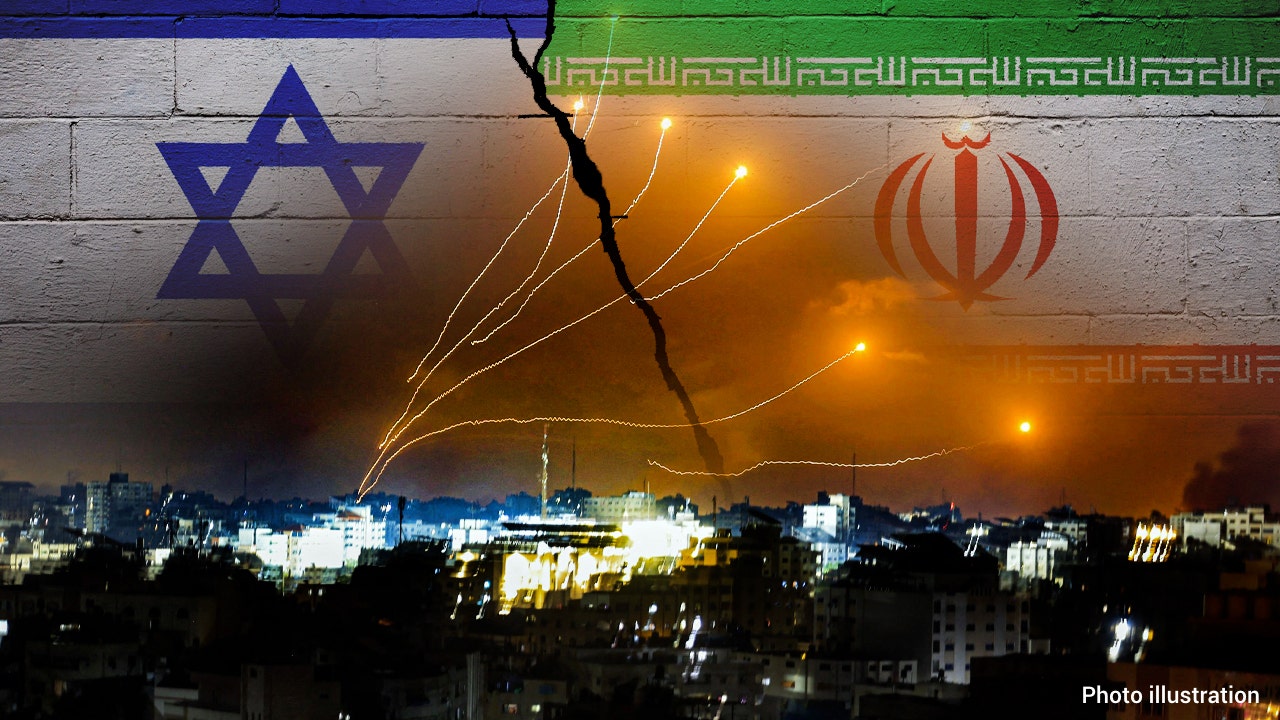
While the US and Israel initiated a major military campaign against Iran on February 28, 2026, aiming to dismantle its nuclear and ballistic capabilities, a surprising paradox has emerged: Israel, the instigator, appears to be bearing a disproportionately low share of the war's true costs. Despite Iranian missile barrages causing damage and necessitating significant national defense spending, the Israeli economy, fueled by record defense exports and a strengthening Shekel, continues to thrive, even as the conflict exacts a heavy toll on Iran and its regional allies. This 'cost paradox' is deeply rooted in Iran long-standing 'Axis of Resistance' strategy, which relies on a network of proxy forces like Hezbollah in Lebanon and Houthi rebels in Yemen to project influence and deter direct attacks on Iranian soil. However, sustained US-Israeli operations have severely degraded this network, leading to significant military attrition, leadership losses, and financial strain for Tehran. The war has also crippled Iran economic infrastructure, though the temporary closure of the Strait of Hormuz initially provided a short-term oil revenue surge. Meanwhile, reports indicate Iran is covertly attempting to rebuild its nuclear program underground, adding another layer of complexity to the already volatile situation. As of late July 2026, the situation remains highly fluid. Despite an April ceasefire, hostilities flared again in June, and US airstrikes against Iran recently paused amidst ongoing naval blockades in the Strait of Hormuz. With Israeli Prime Minister Benjamin Netanyahu reportedly presenting new intelligence on Iran nuclear ambitions to US President Donald Trump, and Iran new Supreme Leader Mojtaba Khamenei calling for continued 'jihad,' the risk of further escalation is palpable. The international community, including mediating efforts by Pakistan, is grappling with how to de-escalate a conflict where the stated costs and real impacts are unevenly distributed, potentially setting the stage for a prolonged regional struggle.