J&K High Court: No Indefinite Delays for RTI Appeals, CIC Must Expedite Cases
Context mode is active. Hover over any highlighted term to see its definition. Click a nested term to go deeper.
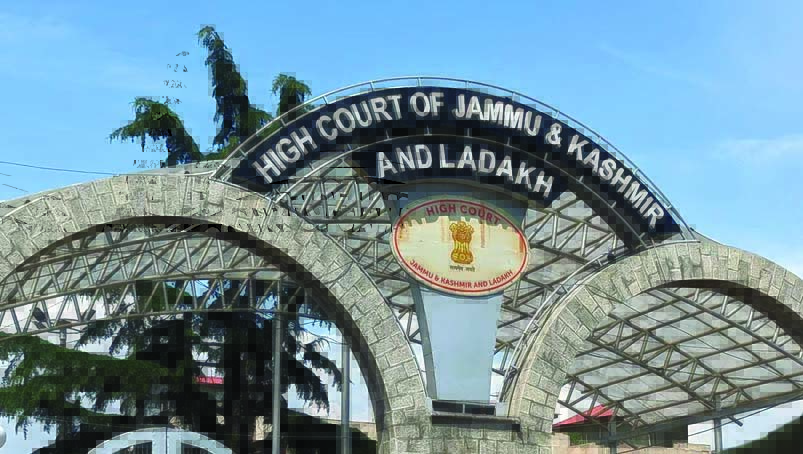
In a significant ruling, the Jammu & Kashmir and Ladakh High Court has firmly told the Central Information Commission (CIC) that it cannot indefinitely delay decisions on Right to Information (RTI) appeals, even though the law doesn't specify a strict deadline. The court, while refusing to impose a 45-day disposal period as sought by a petitioner, emphasized that the CIC must improve its functioning to tackle the mounting backlog of cases. This directive aims to uphold the spirit of transparency in governance, particularly for citizens in the Union Territory of Jammu & Kashmir and Ladakh. This ruling comes amidst long-standing concerns over the effectiveness of the RTI Act due to chronic delays. As of January 2026, the CIC was reportedly drowning under over 32,000 pending cases, with projections suggesting a 40-month clearance time at the then-current pace. While new appointments in December 2025 brought the CIC to its full 11-member strength, addressing infrastructural limitations and the sheer volume of appeals remains a critical challenge, as acknowledged by the CIC itself during the recent hearing. The High Court's stance underscores that the absence of a statutory timeline cannot be an excuse for denying citizens timely access to information, a fundamental pillar of democratic accountability. Moving forward, the focus will be on how the CIC implements the High Court's directive to enhance its operational efficiency and create a more robust mechanism for appeal disposal. The court also suggested that the CIC consider practical suggestions offered by the petitioner, Junaid Javid, to streamline its processes. This development could set an important precedent for other states and union territories grappling with similar RTI backlog, potentially forcing a nationwide push for quicker resolution of information requests and strengthening public trust in government transparency.