Jack Devine: Chile's Socialist Past Holds Critical Lessons for Today's Global Threats
Context mode is active. Hover over any highlighted term to see its definition. Click a nested term to go deeper.
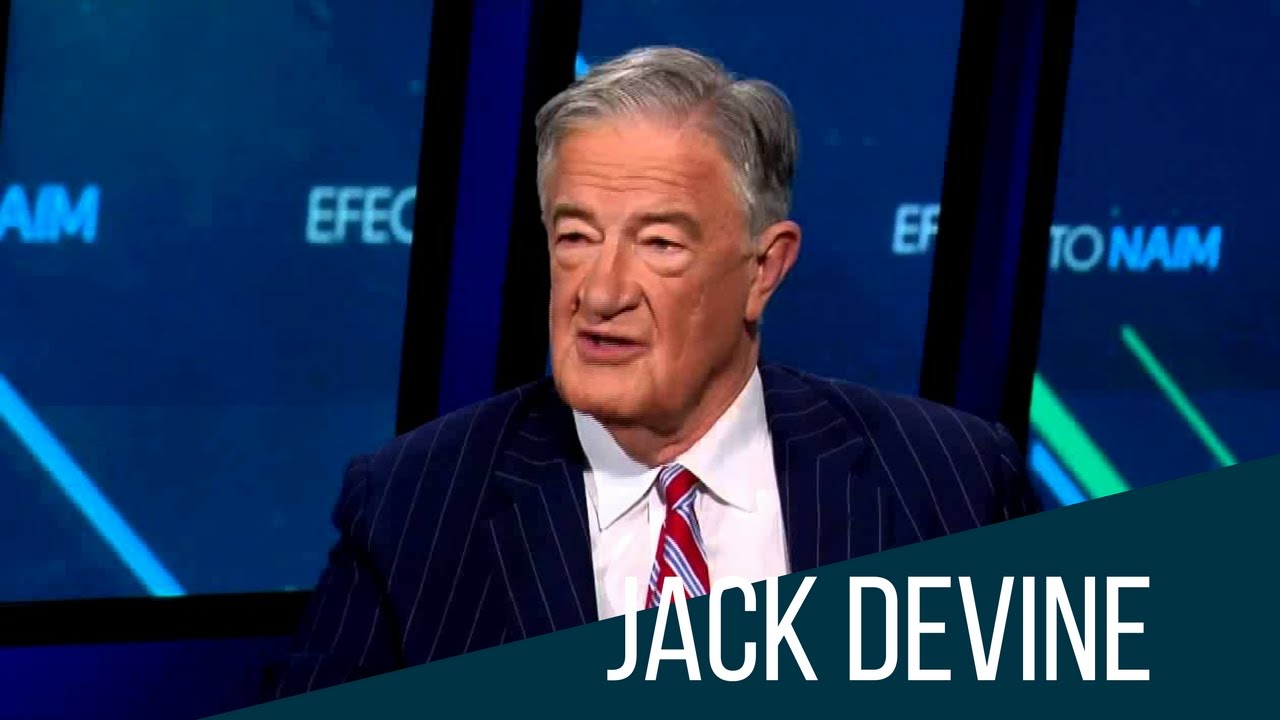
Former CIA spymaster Jack Devine is sounding the alarm, drawing stark parallels between Chile's failed socialist experiment in the 1970s and the current global challenges facing democratic capitalist systems. He argues that the world desperately needs a strong United States to counter rising anti-democratic forces from nations like China, Russia, Iran, and North Korea, warning that internal ideological divisions could dangerously weaken America's vital role. Devine's commentary revives a critical Cold War-era debate, referencing the tumultuous presidency of Salvador Allende in Chile, the first democratically elected socialist leader in the Western Hemisphere. Allende's ambitious nationalization efforts and social reforms faced strong opposition, both domestically and from the United States, ultimately leading to a military coup in 1973 and the authoritarian rule of Augusto Pinochet. Today, the US is actively pursuing its 2026 National Defense Strategy, which emphasizes strengthening alliances and increasing 'burden-sharing' to counter these modern threats, including efforts to curb nuclear ambitions and push for allies to boost defense spending. The ongoing geopolitical chess game sees the US grappling with these adversaries on multiple fronts, from Russia prolonged war in Ukraine to nuclear proliferation concerns involving North Korea and Iran, and economic tensions with China. Devine's perspective highlights the enduring fragility of democratic systems when faced with both internal ideological pressures and external autocratic ambitions, suggesting that understanding past failures, like Chile's, is crucial for navigating today's complex global landscape. The crucial question remains whether democratic capitalist nations can maintain unity and strength against these growing challenges.