Japan's factory growth slows as cost pressures surge, PMI shows
Context mode is active. Hover over any highlighted term to see its definition. Click a nested term to go deeper.
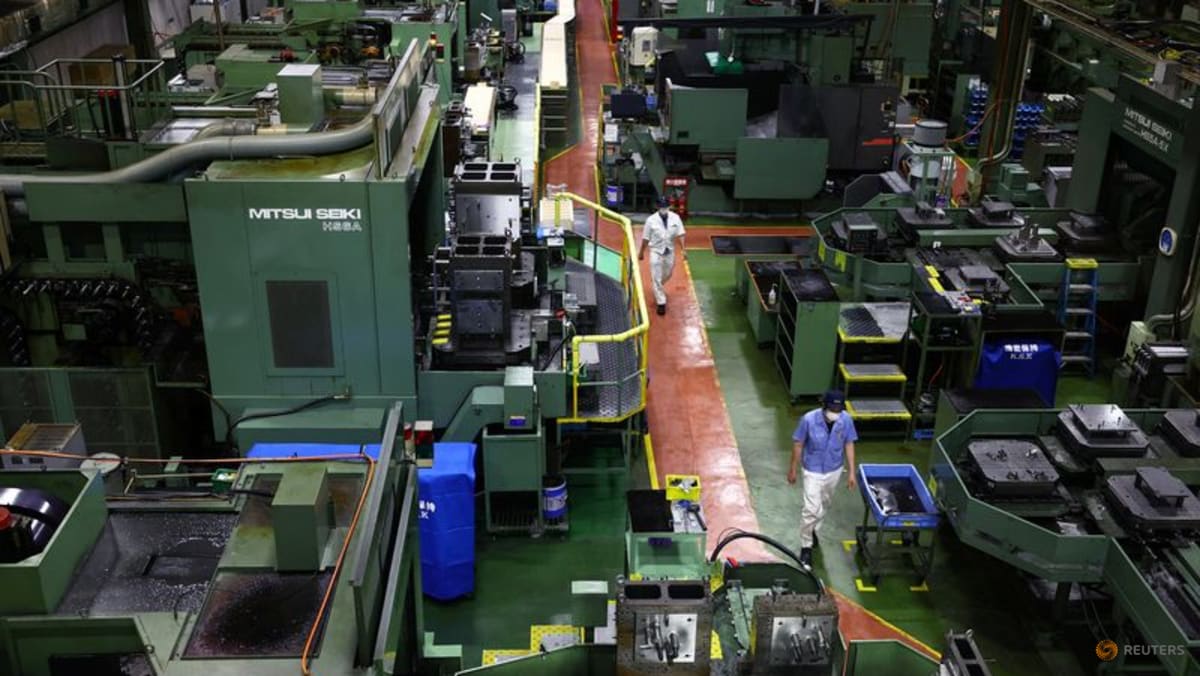
Japan's manufacturing sector experienced a notable slowdown in May, as surging input costs, driven by ongoing geopolitical tensions in the Middle East and strategic stockpiling efforts, blunted the momentum from record export order growth. The latest S&P Global Japan Manufacturing PMI data, while still indicating expansion above the 50-point threshold, suggests that global inflationary pressures are increasingly bottlenecking a crucial economic pillar, challenging the Bank of Japan delicate policy normalisation path. This deceleration underscores the precarious balance facing Japanese industry. While robust export demand, particularly from resilient Asian markets, provides a vital tailwind, the escalating price of raw materials and energy — exacerbated by persistent Red Sea shipping risks and the broader Middle East conflict — are compressing corporate profitability. The persistent weakness of the Yen further amplifies these cost pressures, making imported goods and energy more expensive and contributing to sticky domestic inflation. Looking ahead, market watchers will be scrutinizing June's data for signs of whether these cost pressures are transient or becoming entrenched, potentially forcing the Bank of Japan to reconsider its gradual approach to monetary tightening. The ongoing geopolitical instability and global trade dynamics will remain critical determinants of Japan's factory floor resilience, impacting everything from consumer spending to investment decisions in the coming quarters. The delicate dance between external demand and internal cost management is far from over.