Jharkhand Grapples with Alarming Cerebral Malaria Surge; State Ramps Up Emergency Response
Context mode is active. Hover over any highlighted term to see its definition. Click a nested term to go deeper.
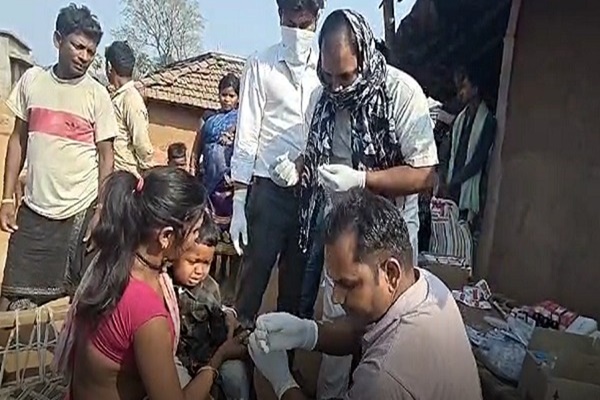
Jharkhand is in the grip of a serious public health crisis, with the count of cerebral malaria cases soaring to 150 in the Potka block of East Singhbhum district, following the detection of nine new infections this week. The alarming surge, which has tragically claimed the lives of four children, has compelled the state government to issue a statewide alert, directing all district administrations to immediately implement comprehensive action plans to contain the deadly vector-borne disease. The rapid spread of cerebral malaria, a life-threatening neurological complication caused by the Plasmodium Falciparum parasite, underscores the ongoing challenges India faces despite its ambitious malaria elimination goals for 2030. Jharkhand, particularly its forested and hard-to-reach districts, has historically struggled with malaria, a situation now worsened by climate change, which is altering disease patterns and creating more favorable breeding grounds for mosquitoes. The state's recent investments in health infrastructure, including 'health cottages' and Block Public Health Units, are now being put to the test as officials mobilize resources to manage this outbreak. In response, authorities are intensifying surveillance, deploying Multipurpose Health Workers and Sahiyas for door-to-door fever surveys, and ensuring quick testing with Rapid Diagnostic Test kits and immediate treatment with anti-malarial medicines. Districts are also boosting mosquito control efforts through insecticide spraying, larval control, and distributing mosquito nets, alongside critical public awareness campaigns. The coming weeks will be crucial to see if these urgent measures can halt the spread and prevent further fatalities, especially as the monsoon season typically exacerbates such outbreaks.