John Bolton Fears 'Bad Deal' Coming For America Because Trump 'Clearly Wants An Agreement' That Allows Him to Declare Victory
Context mode is active. Hover over any highlighted term to see its definition. Click a nested term to go deeper.
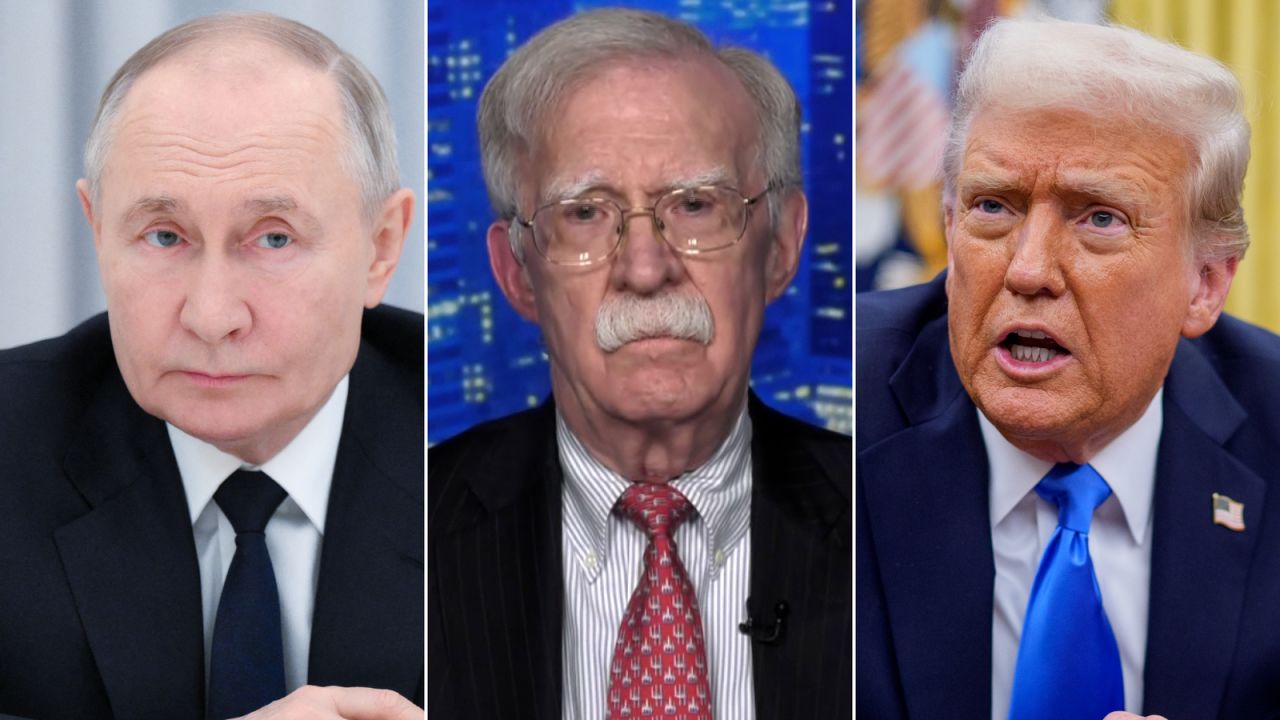
John Bolton, former U.S. National Security Adviser, delivered a sharp warning on June 10, asserting that a 'bad deal' with Iran is looming, driven by former President Donald Trump perceived eagerness for a quick political 'victory.' This dire prognosis arrives amidst a precarious ceasefire in the ongoing 2026 Iran War, marked by escalating tit-for-tat strikes and Trump's often contradictory pronouncements about imminent peace and renewed military action. Bolton's critique, voiced on X, underscores deep-seated fears that domestic political considerations are outweighing strategic security analysis at a critical geopolitical juncture. The stakes are extraordinarily high: a fragile April 2026 ceasefire between the U.S. and Iran has been repeatedly violated, with recent exchanges of fire threatening its complete collapse. Negotiations, reportedly mediated by Pakistan and Oman, are deeply 'nested,' grappling with Iran's nuclear advancements and the critical issue of reopening the Strait of Hormuz, which Iran had de facto closed. Allies like Israel and Gulf Arab states, already targets of Iranian missile and drone attacks during the conflict, view any agreement that doesn't fully dismantle Tehran's nuclear program and curb its regional proxies with profound skepticism, fearing it could destabilize an already volatile Middle East further. As President Trump continues to signal a 'very, very good deal' is near, even as he threatens to take 'total control' of Iran's oil industry, observers are watching for any concrete diplomatic breakthroughs that might salvage the collapsing ceasefire. The coming weeks will test whether the administration can navigate the complex demands of Iran, mollify nervous allies, and appease domestic hawkish voices, or if the current cycle of diplomatic stalemate and military escalation will resume its full, devastating course. The outcome will reshape not only regional security but also the future credibility of U.S. foreign policy.