KAIST AI Cracks Code: Home Sensors Spot Early Stroke Risks in Elders
Context mode is active. Hover over any highlighted term to see its definition. Click a nested term to go deeper.
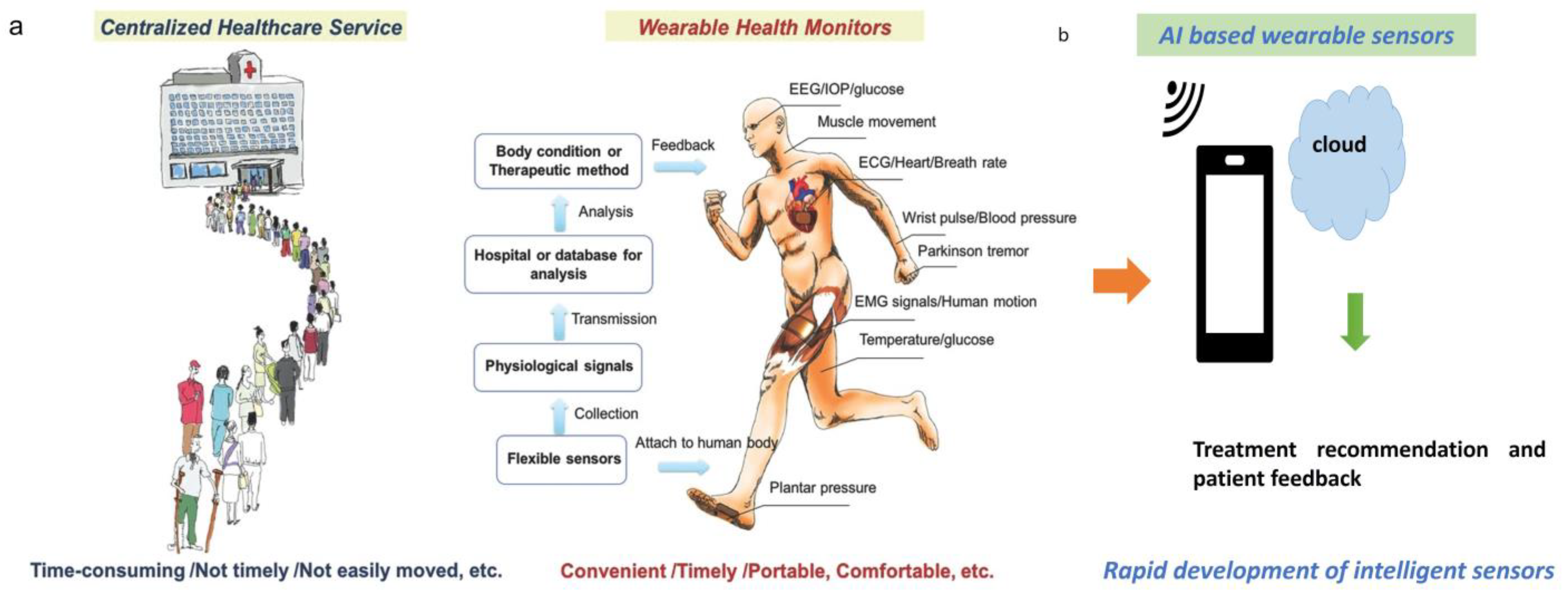
South Korean researchers have unveiled a groundbreaking AI system that can detect early signs of cerebrovascular disease, a condition that includes stroke, by quietly monitoring daily activities in older adults' homes. Developed by KAIST in collaboration with Sungkyunkwan University and Korea University Anam Hospital, this technology uses contactless sensors to analyze subtle behavioral shifts, achieving an impressive 96.5% accuracy in identifying individuals at 'imminent diagnostic risk' within four weeks of diagnosis. This breakthrough signals a major shift towards proactive home-based health monitoring, potentially saving lives by flagging critical health changes before noticeable symptoms even appear. This innovation comes at a critical time when cerebrovascular disease remain a leading cause of disability and death worldwide, with traditional diagnosis often occurring only after severe symptoms manifest, delaying crucial treatment. The AI zeroes in on specific digital behavioral markers, such as irregular sleep patterns, continuous nocturnal activity between 10 p.m. and 2 a.m., diminished evening activity, and even low indoor humidity, which the system can explain using Explainable AI. This moves beyond typical hospital-centric care, offering a continuous, non-invasive way to spot risk factors that are otherwise hard to capture through occasional clinical visits. While this AI is a powerful supportive technology to encourage early medical consultation rather than replacing a doctor's diagnosis, it still requires further validation in larger patient groups before widespread clinical application. South Korea continues to be a hotbed for AI healthcare innovation, though converting these validated technologies into scalable commercial solutions remains a challenge. The research team anticipates that this tool will empower older adults, caregivers, and medical professionals with vital early warnings, driving a shift towards preventive healthcare and potentially improving long-term outcomes for countless individuals globally.