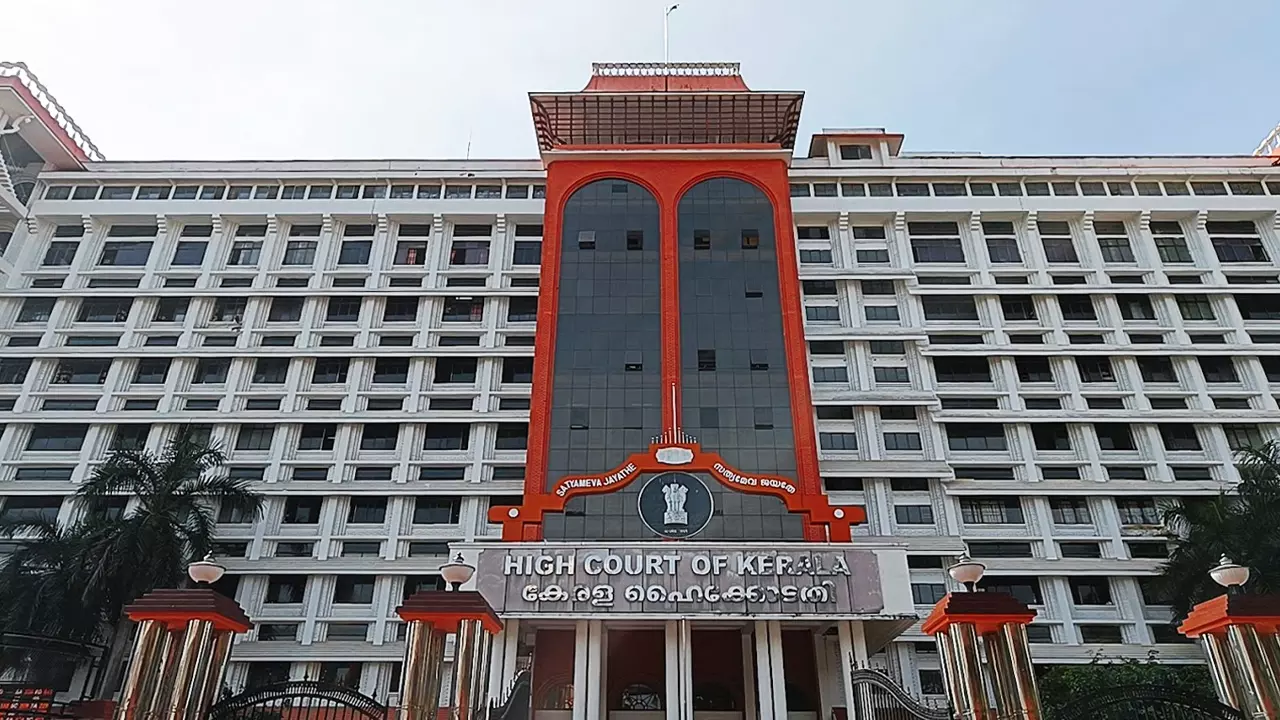
Kerala High Court: Capital Gains Tax Applies Even When Banks Seize Distress Sale Proceeds
Context mode is active. Hover over any highlighted term to see its definition. Click a nested term to go deeper.
In a significant ruling for property owner, the Kerala High Court has decisively stated that capital gains tax must be paid on distress sale, even if a mortgagee bank appropriates the entire sale proceeds to settle a debt. This means that losing your property to a bank auction doesn't exempt you from the taxman's claim on any appreciation in the asset's value. The court emphasized that the basic taxability of capital appreciation remains unchanged, regardless of whether the sale was voluntary or forced by a lender. This judgment by a Division Bench reinforces a long-standing principle, citing the landmark Supreme Court case of CIT v. Attili N. Rao. The Supreme Court had previously held that repaying a mortgage is considered an 'application' of the sale proceeds, not a 'cost' that reduces the taxable gain, cementing the original owner's liability for capital gains on the full amount realized. The current ruling clarifies that individuals who willingly enter into an equitable mortgage understand the potential loss of their property in case of loan default, and this contractual undertaking does not alter their tax obligations. The ruling sends a clear message to individuals and financial institutions alike: tax obligations on property gains are separate from debt recovery mechanisms. Property owner facing financial distress and potential distress sale must factor in this capital gains liability, which will be computed on the full sale price, minus permitted deductions. This underscores the need for thorough understanding of tax implications even in challenging financial situations, ensuring no unintended surprises from the Income Tax Department.