Khalra Murder Trial: Film Ban Ignites Fresh Calls for Justice Amidst Witness Harassment Claims
Context mode is active. Hover over any highlighted term to see its definition. Click a nested term to go deeper.
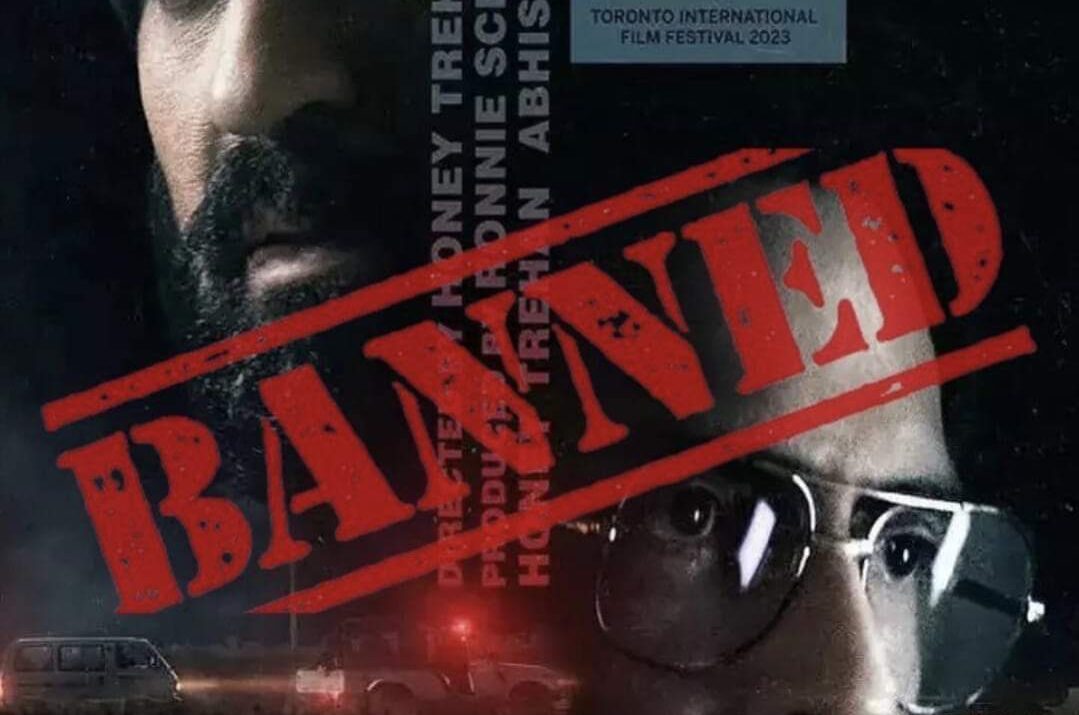
The long-fought legal battle for justice in the abduction and murder of human rights activist Jaswant Singh Khalra has roared back into public focus, sparked by the recent controversy surrounding the film 'Satluj'. After a brief release on Zee5 on July 3, 2026, the film, which details Khalra's investigations into alleged extrajudicial killings by Punjab Police, was removed from the Indian platform within 48 hours, prompting widespread debate over censorship and accountability. The case, dating back to 1995, was marked by severe witness intimidation and threats, a fact the Supreme Court of India officially noted in its 2011 verdict that upheld the life sentences of five police officers involved. Adding to the outrage, it has come to light that a police officer convicted for Khalra's murder, former DSP Jaspal Singh, still holds a President's Police Medal for Gallantry, despite clear directives from the Ministry of Home Affairs to withdraw such honors for convicted personnel. Furthermore, Singh, who was released on interim bail in May 2023, could not be traced at his address in jail records. Meanwhile, Paramjit Kaur Khalra, Jaswant Singh Khalra widow, has called upon the Akal Takht Jathedar to form a 'People's Commission' to investigate human rights violations during Punjab's militancy era, urging for greater transparency and accountability from all political systems. The government's ban on 'Satluj' has been viewed by many as an attempt to suppress a narrative critical of state actions during a dark period in Punjab's history, citing 'pro-Khalistan propaganda' as a reason. Despite official restrictions, 'Satluj' is now gaining significant underground popularity, with community screenings happening across Punjab and receiving strong political backing, particularly from the Shiromani Akali Dal, ahead of the 2027 state elections. This resurgence of public interest underscores a deeply felt need for historical truth and justice, forcing ongoing conversations about human rights, police impunity, and the power of media in shaping public discourse. The coming months will test how India's legal and political systems respond to these renewed demands for accountability.