Khamenei's Legacy Ignites Power Struggle: Divided Iran Faces Tumultuous Future
Context mode is active. Hover over any highlighted term to see its definition. Click a nested term to go deeper.
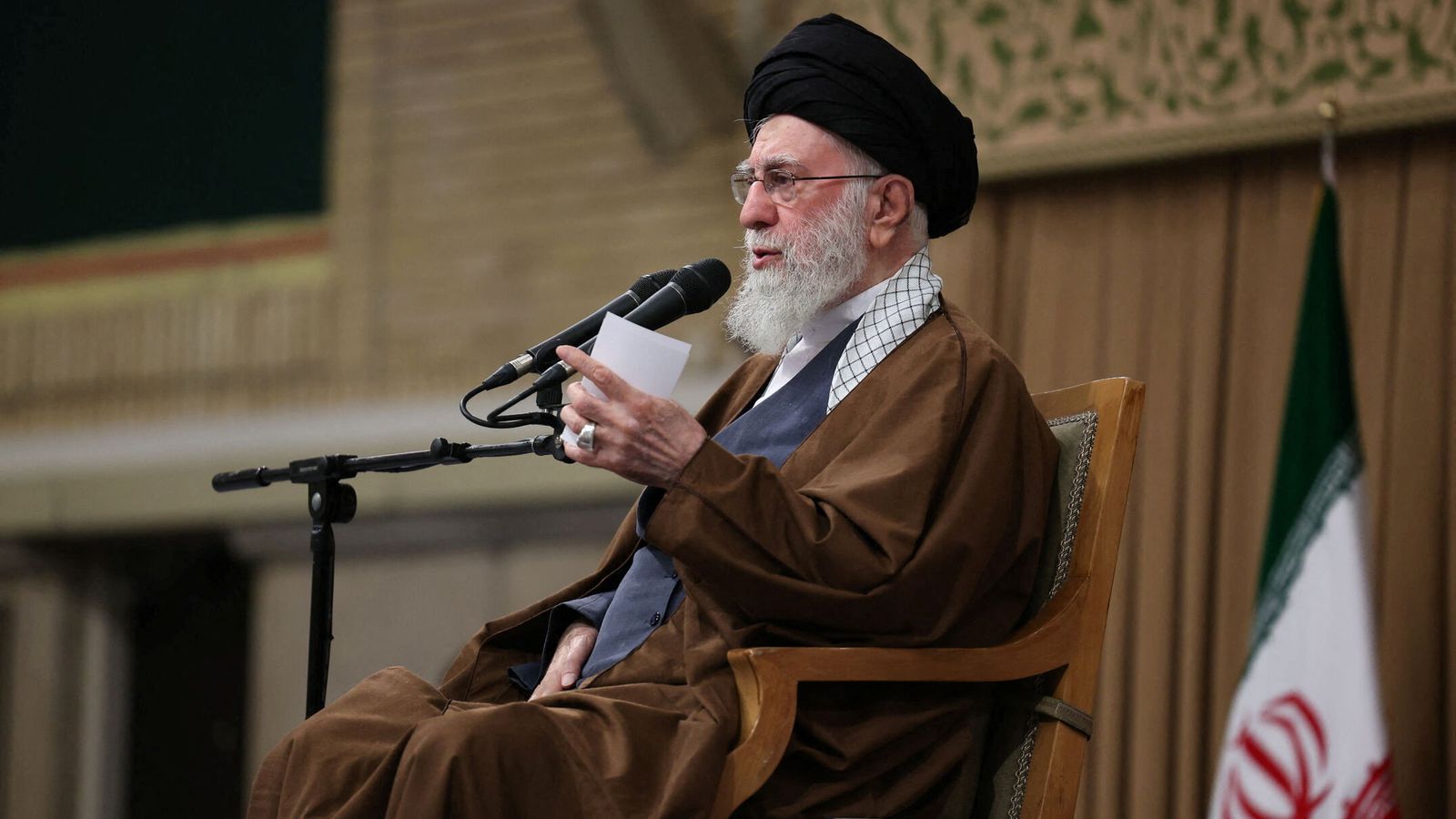
Iran's grand funeral ceremonies for the late Supreme Leader Ayatollah Ali Khamenei, killed in a US-Israeli airstrike in February, have devolved into a stark public display of the nation's profound internal divisions, rather than the intended show of unity. Hardline supporters openly attacked reformist President Masoud Pezeshkian and Foreign Minister Abbas Araghchi during processions this week, chanting 'Death to the compromiser' and 'Death to the traitor' in a clear rebuke of their efforts to de-escalate the ongoing 2026 Iran War and lift crippling international sanctions. This public dissent underscores the volatile power struggle now gripping the Islamic Republic, barely months after Mojtaba Khamenei, the late leader's son, controversially ascended to the Supreme Leader position. The succession of Mojtaba Khamenei in March, following a temporary leadership council, was already seen as contentious due to the hereditary nature, a move frowned upon since the 1979 revolution that overthrew the monarchy. Now, internal power struggles within the conservative establishment are reportedly rampant, with Mojtaba struggling to consolidate absolute control amid rumors of injuries sustained in the attack that killed his father, leading to his notable absence from key state occasions. This political instability is exacerbated by an economy ravaged by years of international sanctions and mismanagement, which triggered widespread protests and a sharp depreciation of the Iranian Rial since late 2025, culminating in brutal crackdowns. As the hardline factions intensify their 'revenge rhetoric' against perceived pragmatists, the fundamental question for Iran's future remains whether Mojtaba Khamenei can assert his authority and navigate a deeply fractured political landscape while grappling with persistent economic woes and an ongoing war. Observers are keenly watching for any signs of Mojtaba's public appearance and moves by the Assembly of Experts and the Islamic Revolutionary Guard Corps, as this internal conflict could dictate not only Iran's domestic trajectory but also its posture in the broader Middle East. The nation's path will be shaped by how these competing visions for its future ultimately collide or coalesce under its new, embattled leadership.