Kharif Sowing Crosses 119 Million Hectares As Farmers Expand Rice, Pulse Cultivation
Context mode is active. Hover over any highlighted term to see its definition. Click a nested term to go deeper.
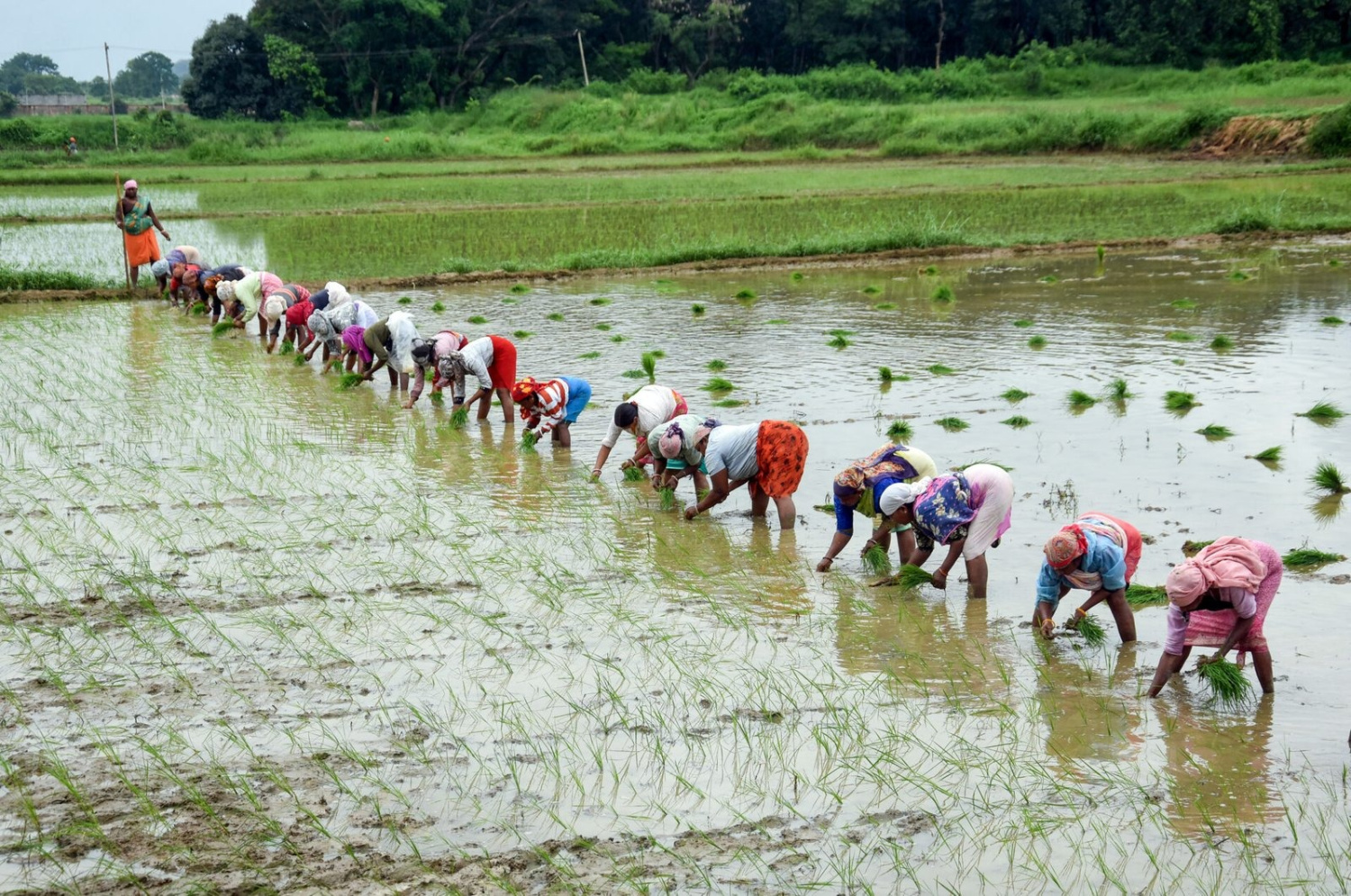
India's agricultural landscape is seeing a robust start to the Kharif season, with the total sowing area crossing 119.90 lakh hectares as of June 19, significantly up from last year's 117.95 lakh hectares for the same period. Farmers have notably expanded cultivation of key staples like rice and pulses, signaling strong early season activity. This expansion is a crucial indicator for the nation's food security, even as it unfolds under the looming shadow of a deficient monsoon. However, this initial surge in planting comes amidst a critical challenge: the India Meteorological Department (IMD) has confirmed a delayed and currently 43% deficient monsoon, largely driven by the recent declaration of El Niño conditions. Union Agriculture Minister Shivraj Singh Chouhan has already flagged 111 districts as highly vulnerable to potential crop damage, with weak monsoon conditions expected to persist until at least July 2. Despite these concerns, the government recently hiked the Minimum Support Prices (MSP) for 14 Kharif crops for the 2026-27 marketing season, aiming to incentivize farmers and promote crop diversification. The coming weeks will be crucial as the pace and spread of the monsoon will determine the final yield. Farmers may be forced to adapt their strategies, potentially shifting towards less water-intensive crops if the dry spell continues. While increased MSPs offer a safety net, the interplay of climate patterns and policy responses will ultimately shape the agricultural output and its ripple effects on food prices and rural incomes across India.