Kyiv, Chernihiv Face Renewed Threat as Russia Weighs Northern Offensive
Context mode is active. Hover over any highlighted term to see its definition. Click a nested term to go deeper.
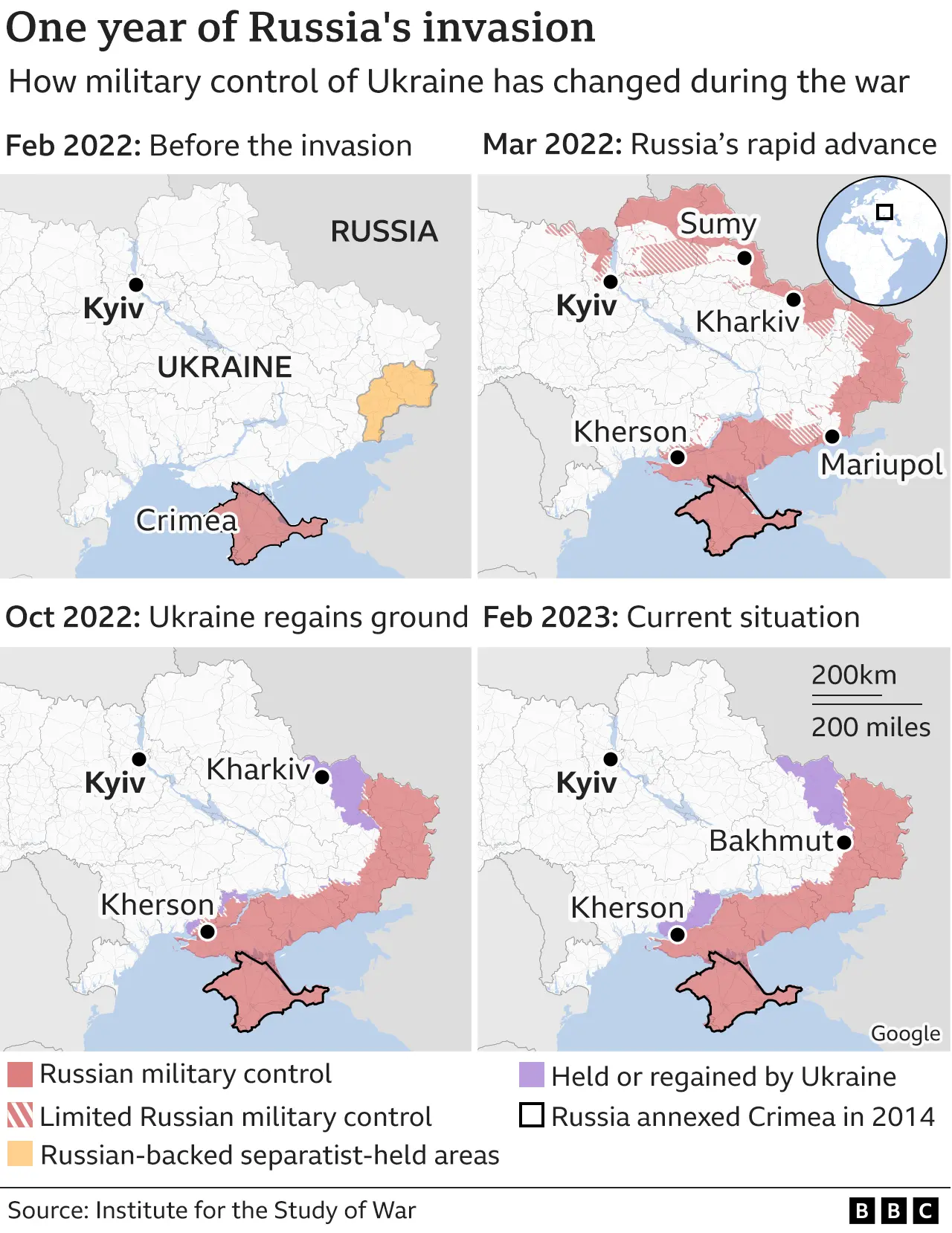
Ukrainian intelligence reports suggest that Russia is actively assessing potential new ground offensives targeting Kyiv and Chernihiv, key northern cities that saw intense fighting in the war's early days. While no Russian strike formations are currently massing, Deputy Head of the Presidential Office Pavlo Palisa confirms Moscow's political leadership has ordered military commanders to draft various operational plans for these directions. This comes amid ongoing fears that Russia seeks to establish 20-kilometer-deep 'buffer zones' in Ukraine's northern regions of Kharkiv, Chernihiv, and Sumy, with potential for further expansion, while also pushing to fully control the Donbas. The renewed focus on Ukraine's northern front echoes Russia's failed 2022 gamble to quickly seize Kyiv, an effort that was decisively repelled by Ukrainian forces. Adding to regional anxieties, Russian President Vladimir Putin recently met with Belarusian leader Alexander Lukashenko in Moscow on August 29, 2026, to discuss bilateral cooperation, security matters, and international issues, including strengthening their 'Union State'. These talks, coupled with Belarus snap combat readiness inspections and the construction of a new military training ground near the Ukrainian border, raise concerns about Belarus potential role should Russia decide to activate these northern offensive plans. Ukrainian authorities, led by their General Staff, are actively developing defensive and counter-action scenarios for these potential threats, emphasizing their priority to prevent any Russian offensive operations from materializing. The situation remains highly volatile, with Ukraine urging international partners for more air defense systems to protect its cities. Observers will be closely watching for any signs of troop movements or further diplomatic shifts between Moscow and Minsk that could signal an escalation in the conflict's northern dimension.