LabPMM's New Global KMT2A Test: A Leap Forward for Leukemia Patients and Drug Development
Context mode is active. Hover over any highlighted term to see its definition. Click a nested term to go deeper.
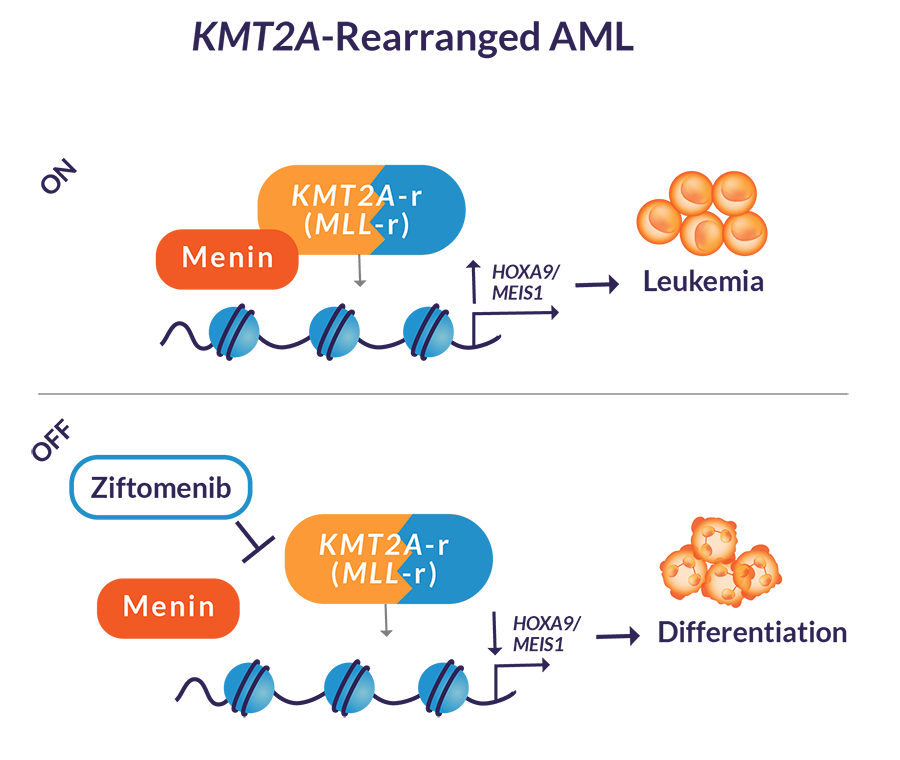
LabPMM, a company under Invivoscribe, has just rolled out its new global KMT2A measurable residual disease (MRD) testing service. This highly sensitive diagnostic tool uses advanced digital PCR technology to help doctors and drug makers keep a closer eye on acute leukemia, especially for patients with a specific gene change called KMT2A rearrangement. The launch is a big deal because it promises to give a clearer picture of how well treatments are working, particularly for new drugs known as menin inhibitors. This new service comes at a crucial time as treatments for acute leukemia, a fast-growing blood cancer, are evolving rapidly. KMT2A rearrangements are often found in aggressive forms of acute myeloid leukemia (AML) and acute lymphoblastic leukemia (ALL), making these cancers harder to beat. Accurately measuring MRD is vital because even a tiny number of cancer cells left behind can lead to the disease coming back. The global availability of LabPMM CAP/CLIA-accredited testing means that biopharmaceutical companies developing menin inhibitors, which are showing great promise, can now get standardized, high-quality data to speed up their drug development and improve patient care worldwide. Looking ahead, this development highlights a major shift towards precision medicine in oncology. By providing highly sensitive MRD monitoring, LabPMM service will help doctors tailor treatments more effectively, ensuring patients get the right care at the right time. It will also empower ongoing clinical trials for menin inhibitors, allowing researchers to track drug effectiveness with greater accuracy and potentially bring new, life-saving therapies to patients faster. This global push for standardized, high-sensitivity testing marks a significant step towards improving outcomes for those battling aggressive leukemias.