Ladakh Autonomy Row Deepens As Wangchuk Flags Draft Gaps, Signals Protest Escalation
Context mode is active. Hover over any highlighted term to see its definition. Click a nested term to go deeper.
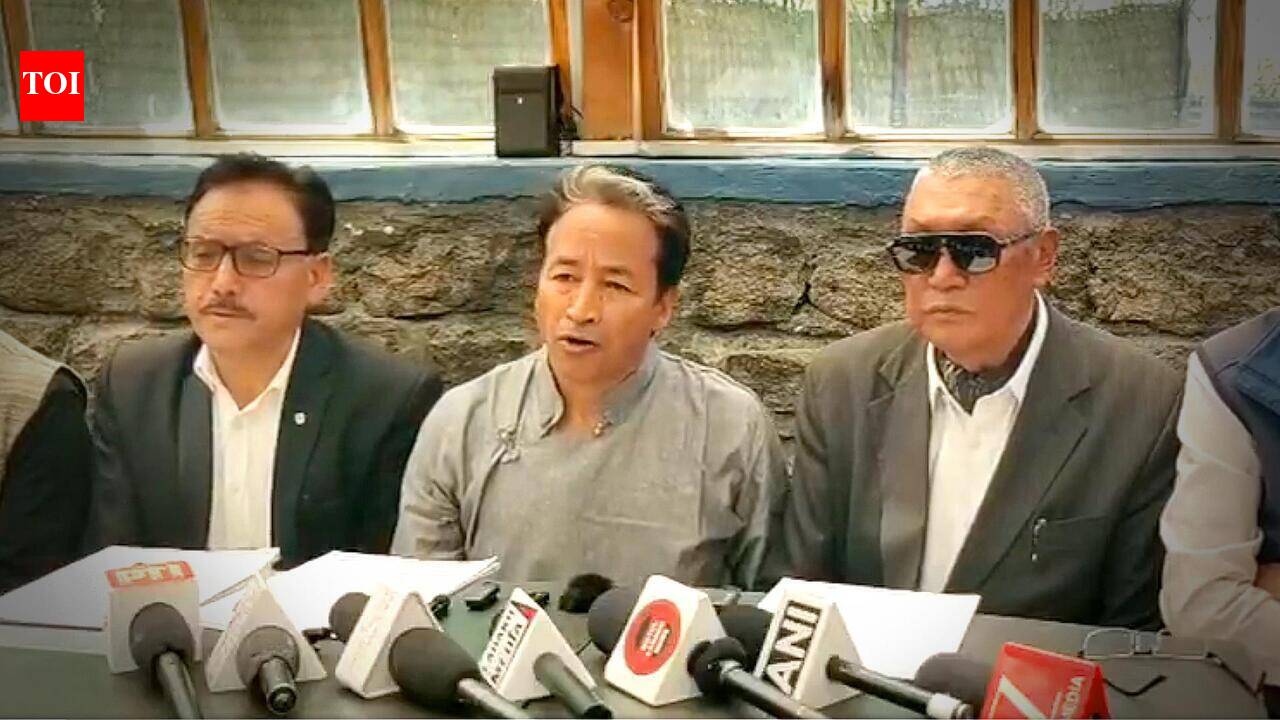
Ladakh autonomy crisis has escalated, with environmentalist and activist Sonam Wangchuk today alleging that the Central Government of India reneged on a crucial understanding regarding the authority of elected representatives in a proposed "Democratic Framework for Ladakh." Following a May 22 sub-committee dialogue in Delhi that reportedly achieved broad consensus, Wangchuk asserts the subsequent draft omits explicit guarantees for the primacy of a new Elected Regional Assembly over the established bureaucracy, effectively stripping local elected bodies of substantive power. This perceived betrayal has plunged trust to a new low, raising the specter of intensified protests. This development comes amidst persistent demands from Ladakh civil society groups, including the Leh Apex Body (LAB) and Kargil Democratic Alliance (KDA), for the region's inclusion under the Sixth Schedule of the Indian Constitution and full Statehood Demand since its reorganisation as a Union Territory in 2019. The perceived bureaucratic overreach in the new draft directly contravenes the core demand for democratic self-governance and protection of Ladakhi identity, economy, and environment. Wangchuk's latest accusation signals a hardening of positions after months of delicate negotiations, which had seen intermittent progress but consistently faltered on the precise contours of power devolution. With trust severely eroded, Wangchuk has explicitly signaled an escalation of civil disobedience, including plans for a "Pashmina March" to the Line of Actual Control to highlight land rights and environmental concerns. The ball is now firmly in the Central Government of India court, facing renewed pressure to present a revised framework that addresses the core demand for genuine democratic control. Failure to do so risks not only widespread protests in the strategically sensitive Ladakh region but also further alienating a population that feels marginalized despite its critical geopolitical importance.