Lebanon's 'Pilot Zones' Face Skepticism as Israel Doubts Hezbollah Disarmament
Context mode is active. Hover over any highlighted term to see its definition. Click a nested term to go deeper.
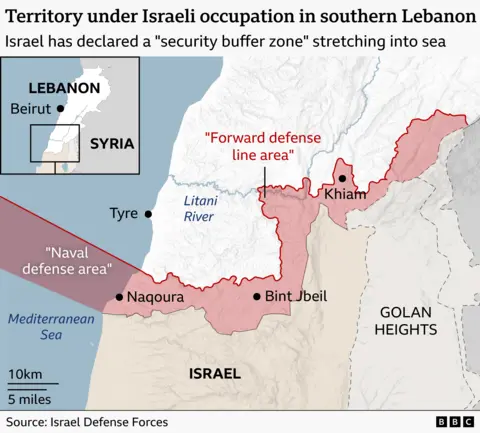
A new 'pilot zones' scheme, designed to test the Lebanese Armed Forces' ability to disarm Hezbollah and enable Israeli withdrawal, has officially kicked off in southern Lebanon, but a former Biden administration official, Jennifer Gavito, expresses deep doubt about its success. The initiative, part of a US-brokered Trilateral Framework signed last month, seeks to de-escalate the volatile border, yet Israel continued military presence and past failures to disarm Hezbollah suggest a bumpy road ahead. The United States, Israel, and Lebanon launched the pilot operations on July 21, 2026, in three southern Lebanese villages, aiming for the Lebanese Armed Forces to assume control and dismantle non-state armed groups. This comes amidst the ongoing '2026 Lebanon War,' which resumed in March 2026 after Hezbollah retaliated against US-Israeli strikes on Iran and the assassination of Ali Khamenei. Israeli Ambassador Yechiel Leiter recently affirmed that Israeli forces will only fully withdraw if Hezbollah is removed from these zones, underscoring the deep-seated security concerns that have kept Israeli troops in a self-declared 'security zone' for months. Looking ahead, the success of these pilot zones is crucial, not only for the phased Israeli withdrawal but also for the broader stability of the region, especially as the mandate for the UNIFIL peacekeeping mission is set to expire by the end of 2026. With Hezbollah rejecting the Trilateral Framework and insisting on wider US-Iran negotiations, and the Lebanese Armed Forces facing significant capacity challenges, the path to a full resolution remains fraught with obstacles. Observers will be watching closely to see if this diplomatic effort can truly break the cycle of conflict.