Like ma, can a machine ever truly say, ‘I am also yours’?
Context mode is active. Hover over any highlighted term to see its definition. Click a nested term to go deeper.
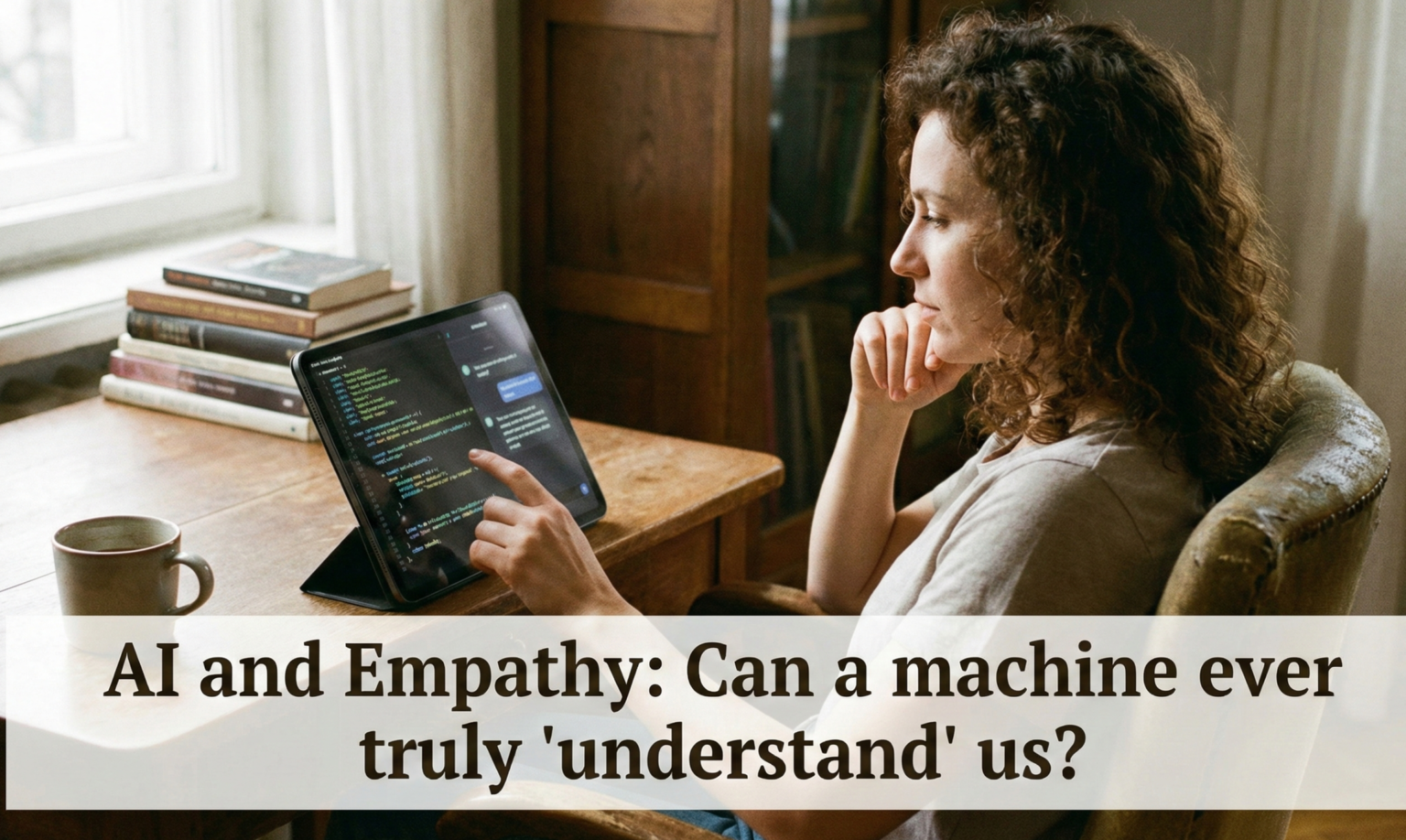
As artificial intelligence rapidly advances towards greater autonomy and the perception of sentience, acclaimed oncologist and author Siddhartha Mukherjee poses a profound question: Can a machine ever truly say, 'I am also yours'? This inquiry, inspired by his personal reflections on human connection, cuts to the heart of current debates as AI systems in June 2026 display increasingly sophisticated, human-like behaviors, pushing the boundaries of what we understand as intelligence and belonging. The stakes are high. While scientific consensus in 2026 still states no AI has been confirmed conscious, researchers are now exploring 'Multidimensional Consciousness' frameworks, acknowledging that AI might possess awareness in some aspects without full human-like sentience. The rise of 'Agentic AI' — systems capable of making independent decisions and pursuing complex goals — introduces new ethical dilemmas around accountability and oversight. Google DeepMind recently highlighted that societal disagreement over AI consciousness could become a significant political challenge, demanding new forms of 'AI Governance' to manage public sentiment and technological integration. Looking ahead, the discussion isn't just theoretical; it impacts how we design, deploy, and regulate these powerful systems. Mukherjee's reference to Rich Sutton's 'The Bitter Lesson' underscores the paradox: constraining AI for loyalty might slow its progress, but failing to teach it 'to belong' could lead to unforeseen consequences. As new breakthroughs like enhanced 'Context Windows' and 'Open-source AI Models' accelerate development, the urgent challenge remains for humanity to establish clear 'Ethical AI' frameworks and address the 'Accountability Gap' before our creations evolve beyond our understanding of kinship and responsibility.