Low Oxygen, Big Hope: New Therapy Fights Brain Disorders Linked to Mitochondria
Context mode is active. Hover over any highlighted term to see its definition. Click a nested term to go deeper.
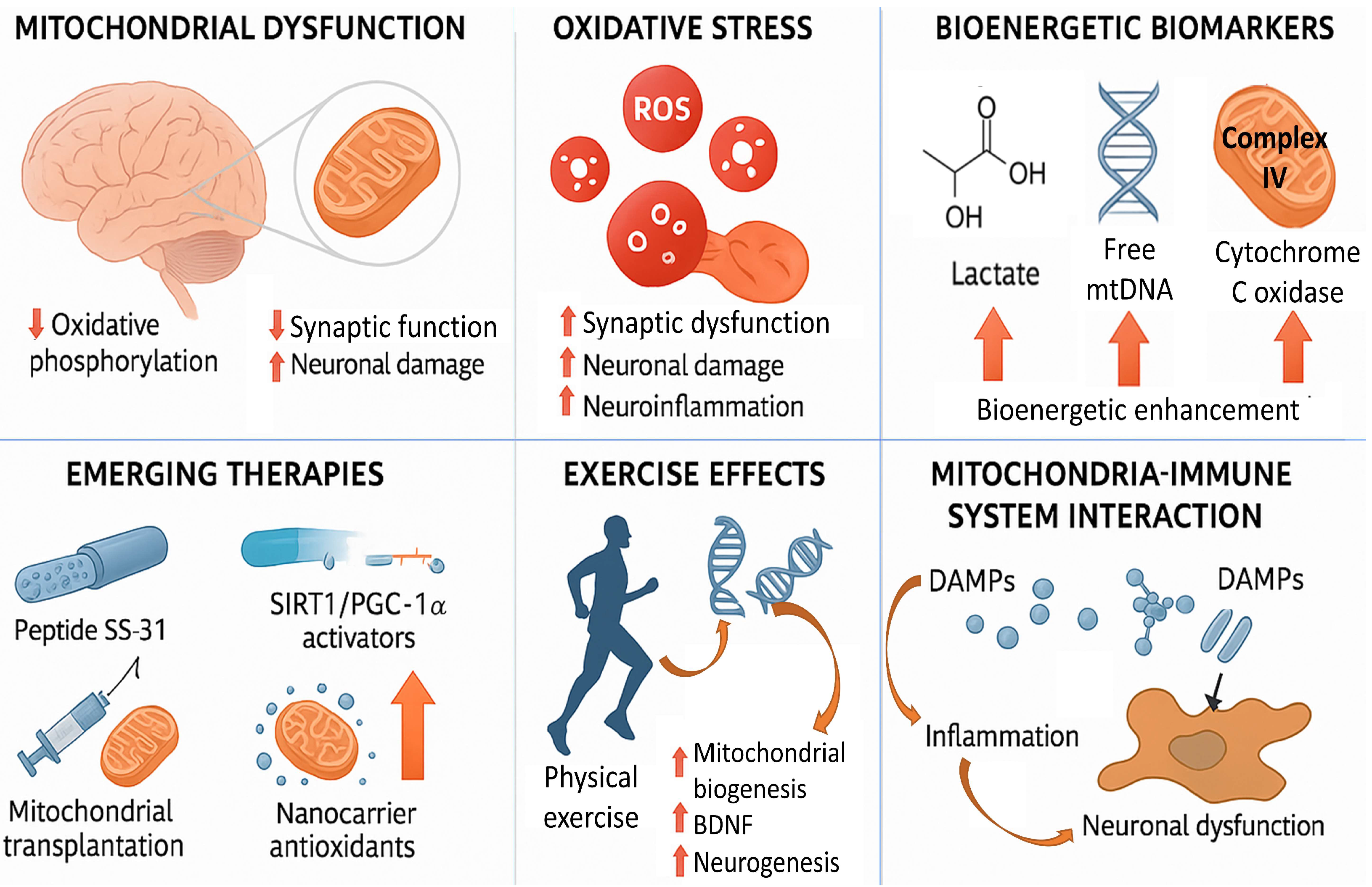
Scientists at Gladstone Institutes have unveiled a groundbreaking study showing that 'hypoxia therapy' — reducing oxygen levels — could be a game-changer for treating serious mitochondrial brain disorders and other neurological conditions. Published today in Nature Metabolism, their research reveals how controlling oxygen can dramatically improve brain function and extend life in mice with these devastating diseases. This offers a ray of hope where effective treatments are currently scarce. At the heart of this discovery is the understanding that too much oxygen can actually be harmful, especially when a protein called HTRA2 malfunctions, leading to a dangerous buildup in brain tissues. This excess oxygen causes damage, affecting something called Complex 1 within the mitochondria, which are like the powerhouses of our cells. The team, led by Dr. Isha Jain, found that by lowering oxygen, they could fix this problem, helping mice with conditions like motor neuron degeneration live much longer and show better brain health. This mechanism could apply to a wide range of diseases, including childhood conditions like Leigh syndrome and even conditions like Parkinson's disease. The next big step is translating these promising mouse study results into treatments for humans. Dr. Jain's lab is already working on a 'hypoxia-in-a-pill' called HypoxyStat, aiming to make this therapy practical and accessible. This research opens doors for new ways to tackle complex brain diseases that currently have no cure, pushing the boundaries of how we understand and treat disorders linked to our cells' energy production.