Lower-inflammatory diet may help delay or reduce dementia risk - even in older people at risk of Alzheimer's
Context mode is active. Hover over any highlighted term to see its definition. Click a nested term to go deeper.
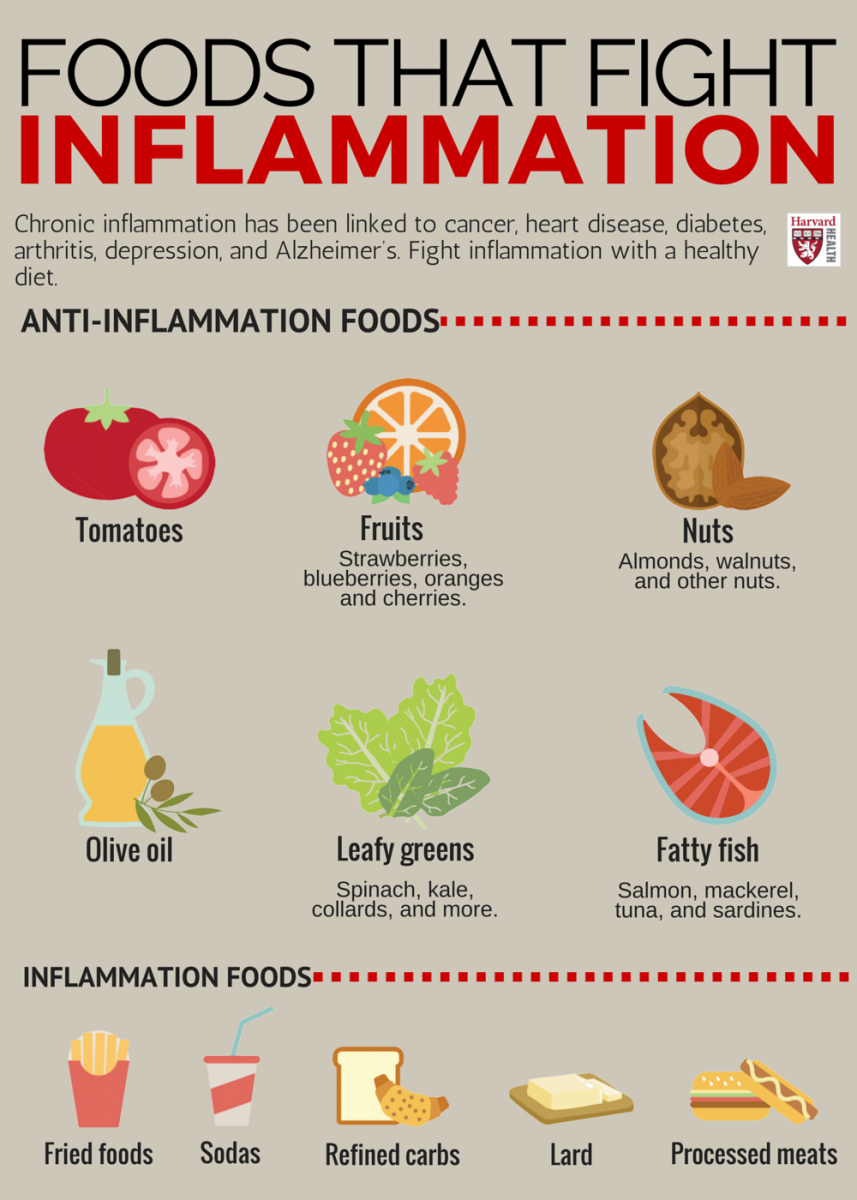
Groundbreaking new research from Sweden reveals it might never be too late to adopt a brain-healthy diet. A study published on June 25, 2026, in JAMA Network Open found that older adults already showing early biological signs of Alzheimer's disease significantly cut their risk of developing full-blown dementia by sticking to a lower-inflammatory diet. This is a massive leap forward, suggesting that even with pre-existing risks, dietary changes can offer a crucial shield against cognitive decline. This finding is a big deal because dementia, especially Alzheimer's, is a growing global challenge with limited treatments. Scientists are increasingly pointing to chronic inflammation in the brain, or 'neuroinflammation', and 'oxidative stress' as key culprits in damaging brain cells and speeding up age-related cognitive decline. This latest study from Karolinska Institutet and Stockholm University, involving nearly 1,900 older adults, tracked important blood 'biomarkers' like p-tau217, NfL, and GFAP, showing that those with higher levels of these risk indicators still saw benefits from eating foods that fight inflammation. It builds on years of evidence supporting diets like the Mediterranean diet, which recent analyses show can reduce dementia risk by 11-30%, even helping those with genetic risks like the APOE4 variant. So, what's next? This research really emphasizes that simple, everyday food choices can be a powerful tool in brain health, regardless of age or early risk factors. For individuals, it means embracing more fruits, vegetables, whole grains, and healthy fats while cutting back on processed foods and sugary drinks – a practical, low-cost intervention. Expect more public health campaigns and clinical recommendations to lean into these 'lifestyle interventions', pushing for dietary changes not just as prevention, but as an ongoing strategy to delay or lessen the impact of dementia.