Lunar Land Grab? Nations Clash Over Who Controls the Moon's Future
Context mode is active. Hover over any highlighted term to see its definition. Click a nested term to go deeper.
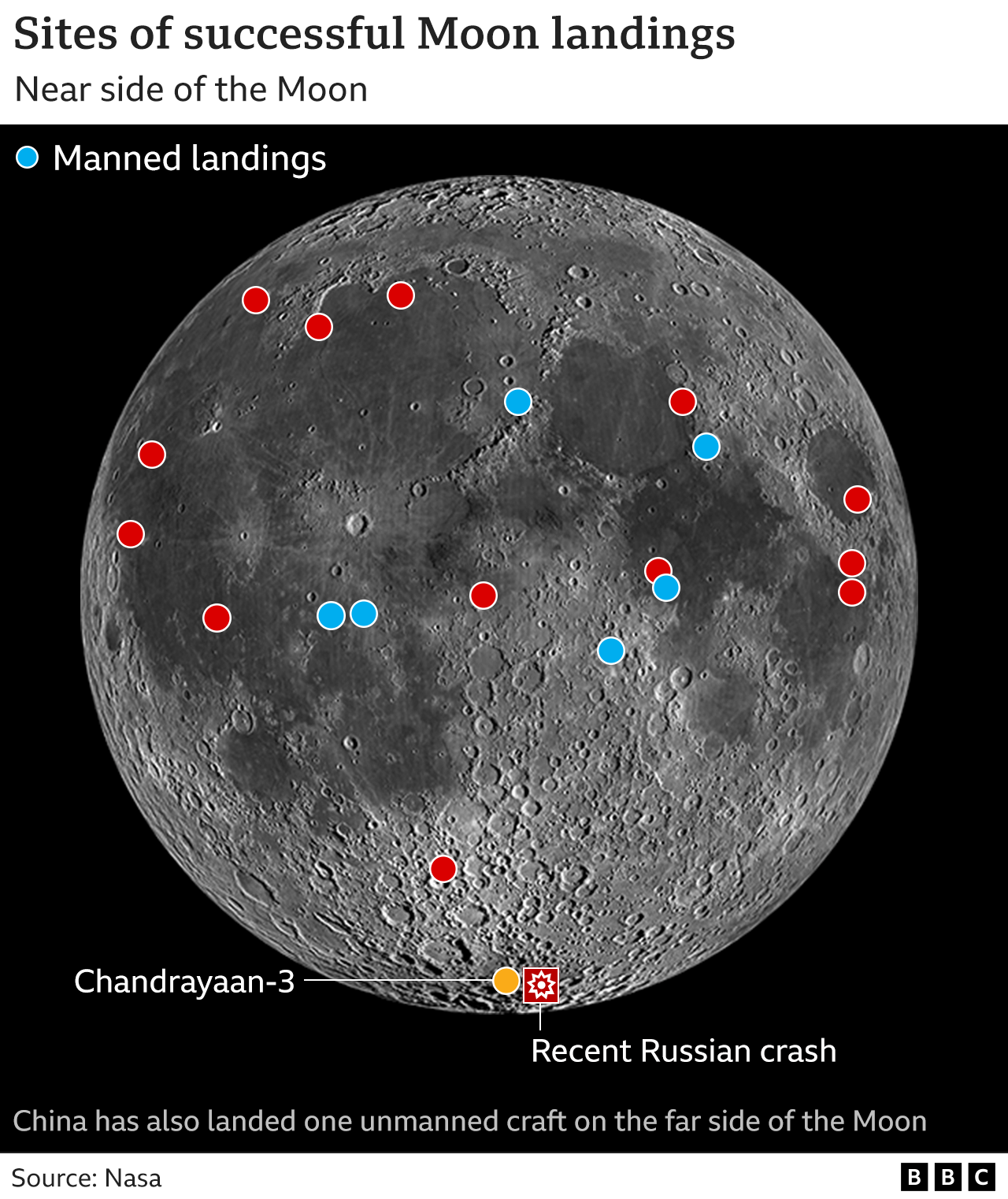
The Moon is fast becoming a new frontier for geopolitical rivalry, as the question of 'who owns the Moon' fuels a heated debate between major spacefaring nations. While the 1967 Outer Space Treaty (OST) famously declared that no nation can claim sovereignty over celestial bodies, the surge in commercial lunar missions and the race for vital resources like water ice and Helium-3 are pushing the limits of this foundational law. The US-led Artemis Accords, now with 70 signatories by July 2026, aim to establish principles for lunar exploration and resource extraction, a move that critics, including China, view as a unilateral attempt to shape future space governance. The core tension lies in interpreting the Outer Space Treaty 'non-appropriation' clause in the age of space resource utilization. While the OST prohibits claiming territory, the Artemis Accords argue that extracting and using resources does not equate to national ownership, drawing parallels to international waters. This approach contrasts sharply with China and Russia's joint International Lunar Research Station (ILRS) initiative, which rejects the Artemis Accords as 'US-centric' and advocates for a multilateral framework through the United Nations Committee on the Peaceful Uses of Outer Space (COPUOS). Recent discussions at the 69th session of COPUOS in June 2026 show ongoing efforts to develop international principles for space resource activities, highlighting the urgency of finding common ground. As private companies like SpaceX and Astrobotic gear up for more ambitious lunar missions, the need for clear international guidelines on everything from safety zones to environmental protection is more pressing than ever. The current legal ambiguity could lead to conflicts as multiple missions converge on strategic areas like the Lunar South Pole, rich in water ice. What happens next will shape not just the future of lunar exploration, but also the broader framework for human activity in the cosmos, requiring diplomatic breakthroughs to prevent a 'Wild West' scenario in orbit and on the lunar surface.