Macron's diplomatic efforts bring Trump closer to European views
Context mode is active. Hover over any highlighted term to see its definition. Click a nested term to go deeper.
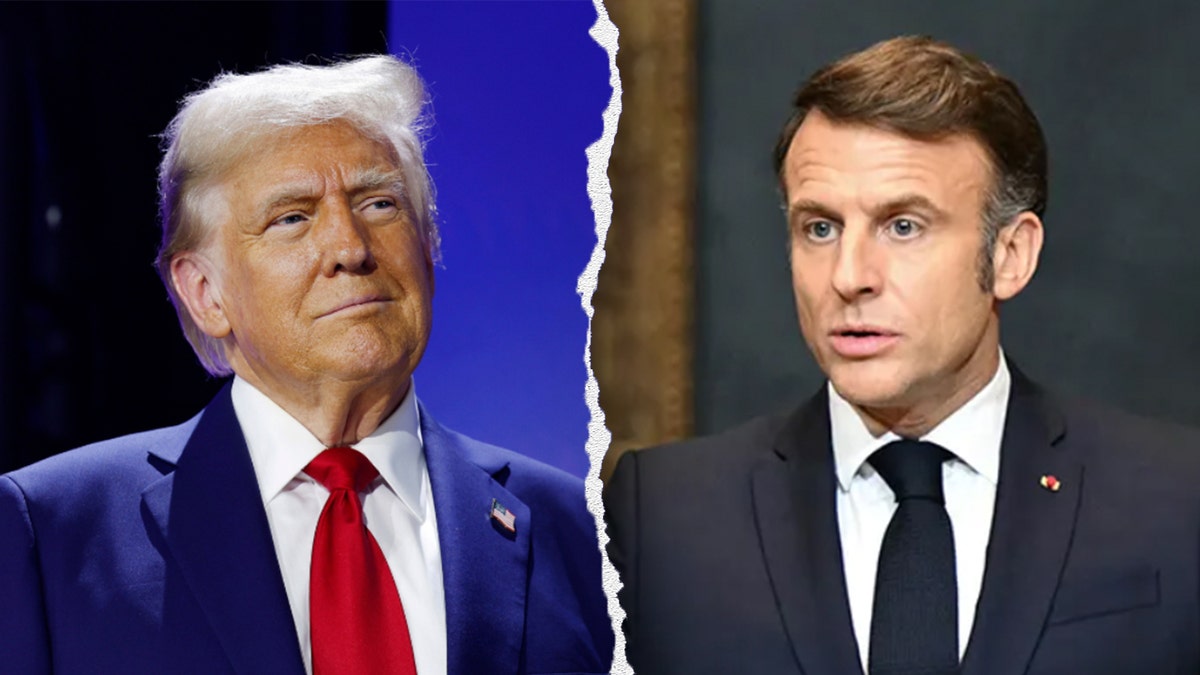
French President Emmanuel Macron sustained diplomatic offensive achieved a stunning breakthrough this week, culminating in U.S. President Donald Trump unexpected signing of an initial agreement to end the protracted Iran War at a historic dinner in Versailles. More significantly for European stability, Macron reportedly secured a more forceful commitment from Trump to back Ukraine against Russian aggression, a stark reversal from the previous year's 'diplomatic disaster' at the White House. This dual diplomatic coup, unfolding amidst the G7 summit in Evian, signals a potential realignment of American foreign policy towards European priorities just as Macron approaches the end of his term. The high-stakes encounter at the gilded Versailles Palace, a venue carefully chosen by Macron for its symbolic weight and Trump's appreciation for grandeur, was a strategic gambit to bridge the chasm in transatlantic relations. Trump's second term has been marked by increased European anxieties over his 'America First' doctrine, the withdrawal of U.S. troops from Europe, and demands for allies to dramatically increase NATO spending to 5% of GDP. This recent shift on Ukraine, following a G7 pledge for increased air defense systems and long-range weapons for Kyiv, offers a crucial, albeit potentially fragile, reprieve for European leaders who have increasingly sought 'strategic autonomy' in a less predictable global landscape. Looking ahead, the immediate focus will be on the durability of Trump's newfound alignment and the detailed negotiation of the Iran peace deal, particularly regarding the reopening of the Strait of Hormuz and its impact on global oil prices. European leaders will also be closely watching the upcoming NATO summit in Turkey for further clarity on U.S. commitments and the long-term implications for burden-sharing and collective defense. While Macron's influence appears to have yielded significant dividends, the underlying tensions and Trump's historically fluid foreign policy positions mean that maintaining this convergence will be an ongoing diplomatic challenge.