Madhya Pradesh Passes Contentious UCC Bill, Igniting Fierce BJP-Congress Row
Context mode is active. Hover over any highlighted term to see its definition. Click a nested term to go deeper.
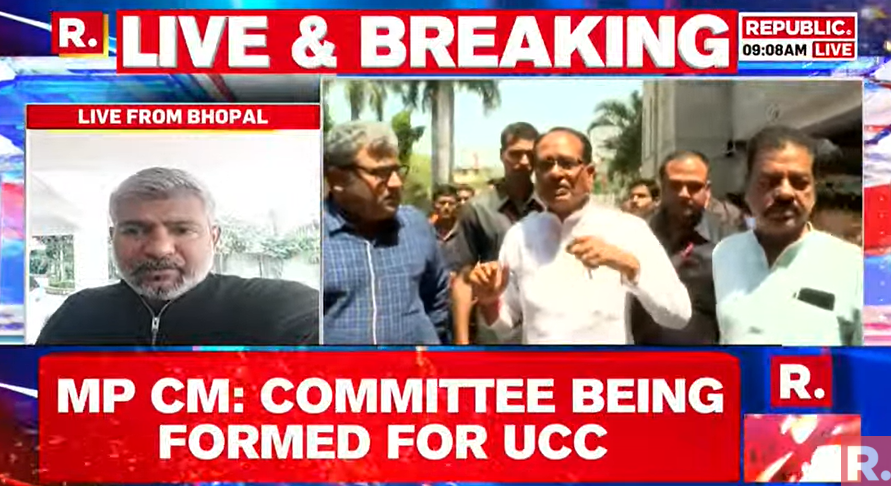
Madhya Pradesh's legislative arena exploded on Tuesday as the state Assembly officially passed the Uniform Civil Code (UCC) Bill, 2026. This move by the ruling Bharatiya Janata Party (BJP) aims to unify personal laws for all citizens, but it immediately triggered strong protests and accusations of a 'political agenda' from the opposition Indian National Congress (Congress). Madhya Pradesh now joins Uttarakhand, Gujarat, and Assam as the fourth BJP-led state to adopt such a legislation. The new UCC Bill seeks to create a common legal framework for matters like marriage, divorce, inheritance, and live-in relationships, notably criminalizing polygamy and nikah halala, and making registration of live-in relationships mandatory. Chief Minister Mohan Yadav championed the Bill as a stride towards equality and women's respect, aligning with the BJP long-standing national goal. However, Congress MLAs, led by Umang Singhar, vehemently opposed its passage by a voice vote, arguing that the government sidestepped proper legislative scrutiny by refusing to send it to a Select Committee and was instead diverting attention from critical state issues like OBC reservation. The legislation notably exempts Scheduled Tribes, aiming to protect their unique cultural heritage. With the Bill now passed by the state Assembly, the focus shifts to securing Presidential Assent, the final step before it officially becomes law in Madhya Pradesh. This legislative win for the BJP further solidifies their commitment to a nationwide UCC, a core ideological promise that continues to reshape India's legal landscape and ignite fervent political debate. Observers will be watching how other states respond and whether the central government pushes for a national UCC, keeping this issue at the forefront of India's political discourse.