Magic Mushroom Compound Shows Promise for Head Injury Healing, Human Trials Begin
Context mode is active. Hover over any highlighted term to see its definition. Click a nested term to go deeper.
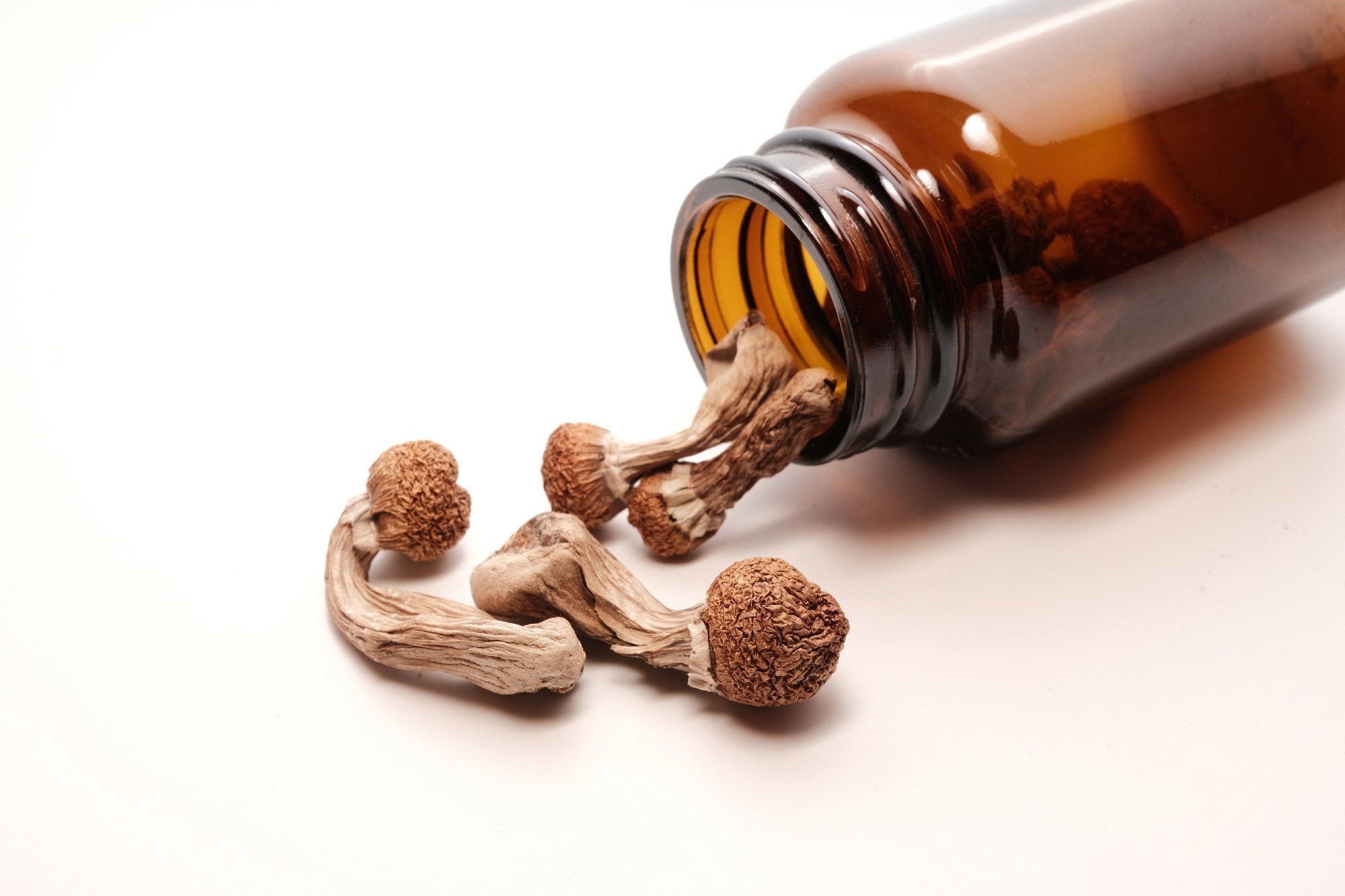
A groundbreaking study has revealed that psilocybin, the compound found in 'magic mushrooms', significantly reduces key markers of brain damage in rats with repeated mild head injuries. This preclinical breakthrough comes as researchers at Monash University in Australia launch the first major human clinical trial to investigate psilocybin-assisted therapy for persistent post-concussion symptoms, offering a glimmer of hope where approved treatments are currently absent. The rat study demonstrated psilocybin ability to reduce brain swelling, known as vasogenic edema, and crucially, lower levels of phosphorylated tau, a protein linked to severe neurodegenerative diseases like Alzheimer's and Chronic Traumatic Encephalopathy (CTE). While initial behavioral benefits were limited in rats, the significant biological changes observed, including altered vascular reactivity and increased functional connectivity, suggest a powerful multi-target therapeutic potential. This news is especially resonant given that some TBI survivors are already self-medicating with psychedelics, reporting symptom improvements, underscoring the urgent unmet need for effective treatments. The spotlight now shifts to the Monash University trial, which began enrolling participants in June 2026, aiming to test psilocybin efficacy in humans suffering from long-term concussion effects. This randomized, double-blind study, along with other planned investigations, will be critical in determining if these promising animal findings can translate into lasting neurological protection and benefits for people. Success could pave the way for a revolutionary new approach to treating brain injuries, moving psychedelic medicine from the lab into established medical practice.